 Do Son
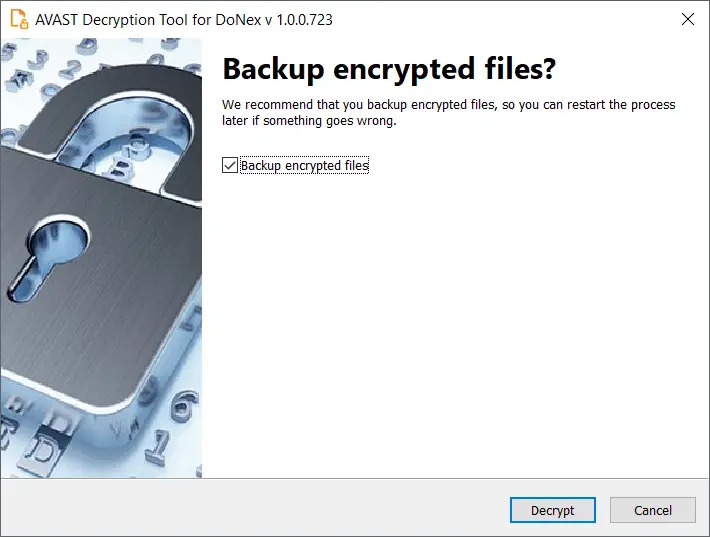
The free DoNex ransomware decryptor tool, now available to the public, is user-friendly and guides victims through the decryption process
Malware

Halcyon's research team has identified a new ransomware group dubbed "Volcano Demon," responsible for a series of recent attacks

The AhnLab Security Intelligence Center (ASEC) has issued a warning about a new backdoor malware called HappyDoor

Trend Micro, a global leader in cybersecurity, has issued a warning about a recent wave of attacks targeting misconfigured Jenkins servers

The attack involves the distribution of trojanized versions of jQuery through dozens of packages on the npm repository

An analysis detailing the advanced evasion techniques employed by GootLoader, a pervasive malware known for its role in delivering ransomware

A new wave of cyberattacks utilizing the sophisticated Mekotio banking trojan is raising alarms across Latin America

Victims whose files have been encrypted by the Mallox ransomware Linux variant may be able to recover their data using the decryptors
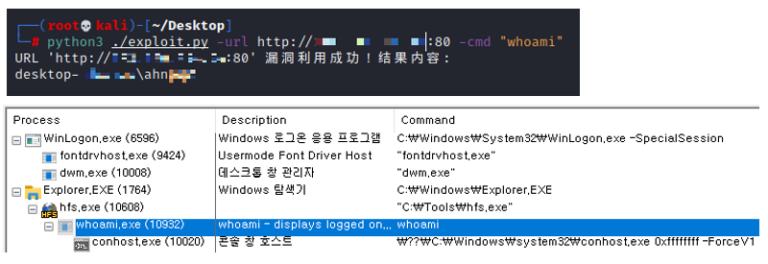
ASEC has observed a variety of attacks targeting HFS servers, including: Cryptomining, RATs and Backdoors, and Infiltration of GoThief malware
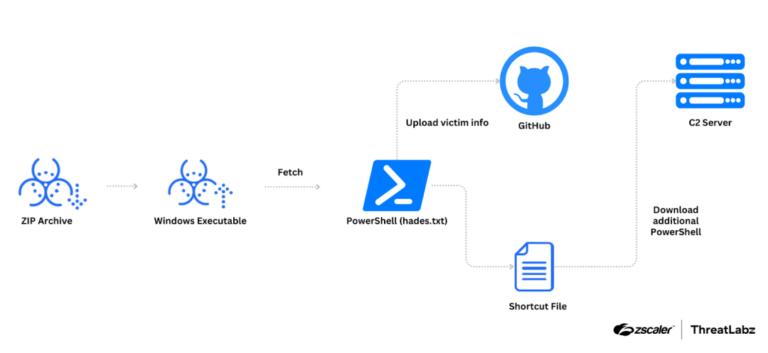
The group is deploying a malicious Google Chrome extension called "TRANSLATEXT" to steal sensitive information from South Korean academics

Water Sigbin employs various techniques, including creating scheduled tasks, adding exclusions to Windows Defender

this new strain, referred to as "InnoLoader," creates a unique malware instance each time a download request is made

MerkSpy Spyware can silently record keystrokes, capture screenshots, and even steal login credentials from popular web browsers like Chrome

Rapid7 has uncovered a sophisticated supply chain attack targeting users of well-known Windows software tools Notezilla, RecentX, & Copywhiz

UAC-0184, leverages sophisticated techniques like DLL sideloading and the use of Python-related files to deliver the notorious XWorm RAT

ReversingLabs researchers have uncovered a malicious package named "legacyreact-aws-s3-typescript" on the npm registry

DBatLoader is being actively distributed via phishing emails, with the malware now packaged in compressed CMD files

"8220" mining gang, dubbed "k4spreader," represents a significant evolution in their arsenal, combining advanced persistence mechanisms

SpyMax's attack strategy begins with a seemingly harmless phishing image that cleverly mimics the official Telegram app.

A new and sophisticated cyber attack campaign has surfaced, leveraging a weaponized Microsoft Word document to deliver the notorious Remcos RAT

Upon activation, StrelaStealer methodically scans the compromised system, first targeting Thunderbird email clients.

The attacks utilize a previously undocumented backdoor, dubbed "Niki", showcasing the evolving tactics of these persistent threat actors