 Do Son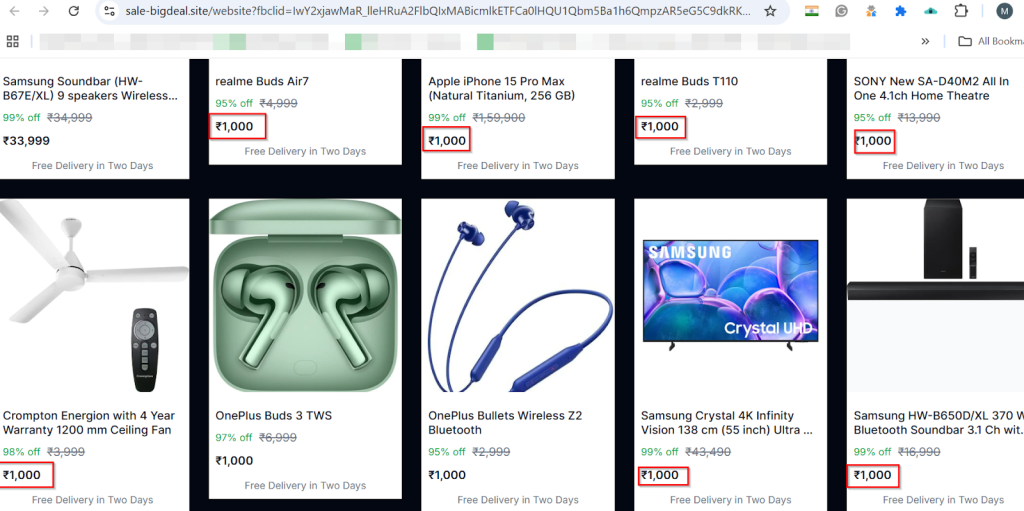
Phishing website | Image: CloudSEK
As India gears up for Ganesh Chaturthi, one of its most celebrated festivals, cybercriminals are also preparing—not with devotion, but with deception. A new report from CloudSEK highlights how scammers exploit the festive season’s heightened emotions, generosity, and online activity to orchestrate fraud campaigns targeting devotees across the country.
CloudSEK warns that “every year, scams spike during major festivals, and Ganesh Chaturthi is no exception. Scammers know that people are emotional, generous, and often less cautious during festive times.”
The scams take many forms:
1. Fake Online Idol Sellers
With eco-friendly clay idols in demand, fraudsters launch fake websites, Instagram pages, and WhatsApp groups offering heavy discounts. Victims pay in advance only to receive a substandard idol—or nothing at all. CloudSEK investigators flagged one suspicious site that redirected buyers to WhatsApp, a setup that “provides scammers an easy way to engage in social engineering against devotees searching for idols.”
2. Lottery & Lucky Draw Fraud
Scammers send WhatsApp or SMS messages such as “Congratulations! You have won a Ganesh Chaturthi prize worth ₹10,000.” Victims are tricked into sharing personal details or paying a “processing fee.” CloudSEK documented a lottery claiming a ₹3 crore prize, which was entirely fraudulent.
3. Fake Shopping Ads & Websites
Fraudsters create clone e-commerce stores mimicking real brands. Sponsored ads lure victims with Ganesh Chaturthi Pooja kits, sweets, or gifts at irresistible prices. Once users enter card details, “the entire payment redirects to the scammers along with the banking information.”
Some scam websites even use Shopify templates with countdown timers to pressure quick purchases. Others impersonate popular e-commerce brands to sell products like JBL earbuds for just ₹129.
4. Fake Event Passes
Musical nights and cultural events are common during Ganesh Utsav, and scammers exploit this by selling counterfeit tickets online. Victims discover the fraud only when denied entry at venues.
5. Fake Loan & Festival Offers
Scammers pose as bank agents promoting “Ganesh Chaturthi Special Loans” or “0% EMI schemes.” Personal details harvested through these offers are later abused for identity theft and financial fraud.
6. Fake Delivery Alerts & Gift Cards
Another trend involves SMS or WhatsApp alerts claiming a parcel is stuck, demanding urgent delivery fees. Others send QR codes for supposed “festival gifts” which, once scanned, authorize UPI transfers directly to scammer accounts.
The report documents several major fraud incidents tied to Ganesh Chaturthi:
- Online Sweet Purchase Scam (₹1.38 Lakh Lost) – A Mumbai businessman tried to buy sweets online from a fake site. After multiple transactions, he lost over ₹1.38 lakh via fraudulent Google Pay requests.
- Fake Festival Contributions (₹37,000 Stolen) – Scammers posing as Ganesh Mandal members tricked a businessman with a QR code payment scam.
- Virtual Darshan Scam (₹701–₹21,000 per victim) – Fraudsters launched a mobile app promising online darshan and prasad delivery from Siddhivinayak temple, duping devotees until the temple trust filed a police complaint.
- Committee-Level Fraud (₹6 Lakh) – In Jharkhand, allegations surfaced that a Ganesh Puja committee extorted lakhs from a fair organizer under false pretenses.
CloudSEK concludes, these scams are not isolated cyber incidents—they are cultural exploitations of faith and festivity, turning celebration into an opportunity for fraud.
Related Posts:
- Attackers hit National Lottery, 10.5 million players were requested to change password
- Raksha Bandhan Scams Surge in India: Phishing, Fake Stores, and Virtual Sibling Cons Target Festival Shoppers
- Massive Scam Surge: Google Ads Fueling Fraud
- Google Products Exploited in Sophisticated Malvertising Scheme
Support Our Threat Intelligence
Find our threat intelligence and malware analysis helpful? Support our work today and unlock a 100% ad-free reading experience!
 Buy Me a Coffee
