Meta Shifts Real Name Policy: Facebook Groups Now Allow Custom Nicknames & Avatars
 Do Son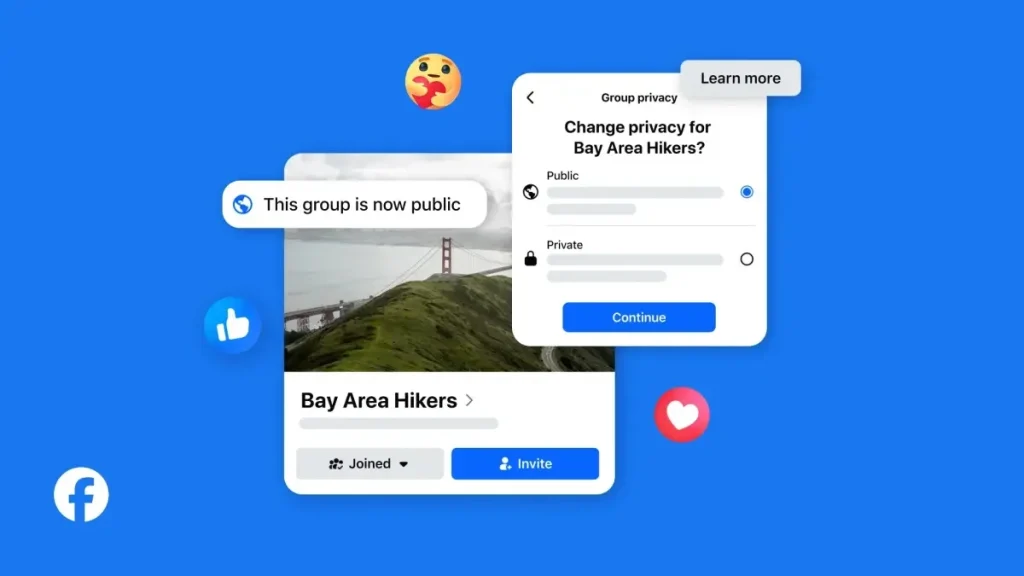
Meta has long insisted that Facebook users identify themselves with their real names, a policy that—despite a few exceptions—has remained a persistent point of tension for those concerned about privacy. Now, however, Meta has introduced a notable shift: within Facebook Groups, members may adopt custom nicknames and dedicated avatars when participating in discussions, without being forced to reveal their real names or resort to fully anonymous posting.
According to Meta, the feature is straightforward to use: members can set a custom nickname through the same toggle used for creating anonymous posts.
However, this option is not enabled platform-wide by default. Nicknames must be activated by individual group administrators, and in some cases may even require manual approval. Once enabled, users may freely switch between speaking under their real name or their chosen nickname within that group.
The only constraint is that these nicknames must still adhere to Meta’s existing community standards and terms of service. Users may also select from a set of themed avatars when configuring their nickname—currently consisting largely of charming animals wearing sunglasses.
Groups have increasingly become a strategic focus for Meta as it works to regain relevance, particularly among younger audiences. Following the introduction of locally oriented activity feeds in 2024, and more recent tools allowing admins to convert private groups into public ones, the rollout of nickname support represents another step toward reducing the social friction that discourages participation.
A single new feature will not return Facebook to its early-2000s cultural dominance, but by embracing a semi-anonymous, username-style system, Meta may encourage users to explore new communities more comfortably—and to join conversations with greater ease.
Related Posts:
- New Zero-Click iPhone Exploit “NICKNAME” Targeted High-Profile Individuals Across the US and EU
- Pixel Power-Ups: AI Avatars, Watch Alerts, & Android 15’s Big Leap
- Meet Mico: Microsoft Unveils Clippy’s Emotional, AI-Powered Successor for Copilot
Support Our Threat Intelligence
Find our tech and OS security coverage helpful? Support our work today and unlock a 100% ad-free reading experience!
 Buy Me a Coffee
