 Do Son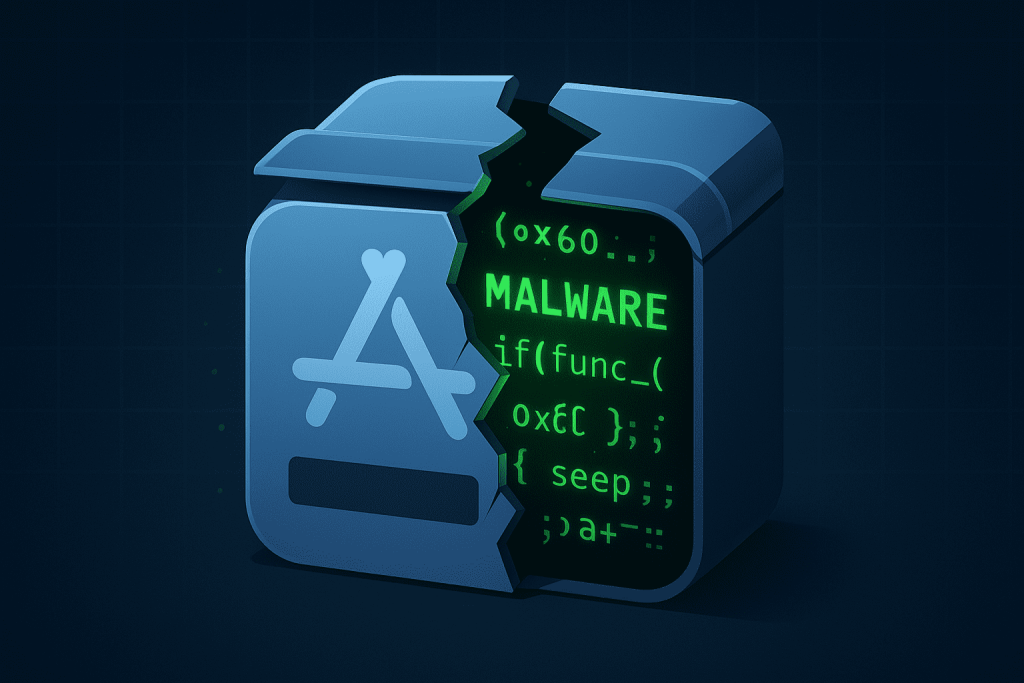
For years, macOS enjoyed a reputation as a “safe haven” from the rampant malware plagues affecting other operating systems. However, as Apple’s enterprise market share surges, that’s changing rapidly. A new report from LevelBlue pulls back the curtain on MioLab (also known as Nova), a premium Malware-as-a-Service (MaaS) platform that proves macOS is no longer “too small to attack”.
Targeting high-value victims like software engineers, executives, and cryptocurrency investors, MioLab represents a “highly commercialized and professional approach to macOS malware”.
MioLab is not just a simple virus; it is a highly commercialized operation advertised on prominent Russian-speaking underground forums. It provides its “subscribers” with a user-friendly web panel, API integrations, and a lightweight, evasive payload designed to bypass modern security mechanisms.
One of its most alarming features is a specialized focus on digital assets.
“MioLab places a massive emphasis on cryptocurrency theft, offering an exclusive add-on module specifically engineered to compromise hardware wallets like Ledger and Trezor”.
This “premium” module can intercept and steal 24-word BIP39 recovery seed phrases, essentially giving attackers total control over a victim’s cold storage.
The MioLab infection chain uses a “ClickFix” strategy to lure users into compromising their own systems.
- The Initial Trigger: Users are often tricked into downloading a malicious .dmg file through malvertising. In a recent campaign, attackers created a “highly convincing clone of the Claude Code Docs” to target developers.
- Bypassing Gatekeeper: The installer prompts users to right-click and “Open” the application, a classic move to bypass macOS Gatekeeper security.
- Blinding the System: Once executed, the malware immediately runs a killall Terminal command to shut down the command-line interface, “hindering manual analysis and monitoring by the user”.
- The Password Trap: Using AppleScript, the malware triggers a fake system dialog.
“An AppleScript (osascript) triggers a deceptive dialog box asking for the user password to ‘configure system settings’; the malware then validates this password in the background using the dscl (Directory Service command-line utility)”.
Once the attacker has the administrator password, the harvest begins. MioLab sweeps the system for an incredible range of sensitive data:
- Browsers: Extracts cookies, history, and passwords from Chrome, Brave, Edge, Opera, and now even Safari.
- System Secrets: Actively collects and decrypts the macOS native Keychain.
- Personal Documents: A “FileGrabber” script targets 11 specific file types, including .pdf, .docx, and .kdbx (KeePass).
- Plaintext Notes: In a recent February 2026 update, the malware began decrypting Apple Notes locally on the victim’s machine, exfiltrating them in plain .txt format.
The developers of MioLab maintain a high-velocity development cycle, constantly updating the malware to remain “Fully Undetectable” (FUD). When a command-and-control (C2) domain is flagged, they don’t just abandon it. Instead, they swap the index to a crypto airdrop drainer to “monetize any residual inbound traffic from victims” or curious researchers.
The infrastructure behind MioLab is often hosted by “bulletproof” services like Defhost, which are known to ignore legal and law enforcement complaints.
As MioLab continues to mature into an enterprise-like platform, Mac users—especially those in the tech and crypto spaces—must remain hyper-vigilant against suspicious installers and unexpected system password prompts.
Support Our Threat Intelligence
Find our threat intelligence and malware analysis helpful? Support our work today and unlock a 100% ad-free reading experience!
 Buy Me a Coffee
