OpenAI Launches Sora App in Asia, Featuring Viral ‘Cameos’ and New Safety Rules
 Do Son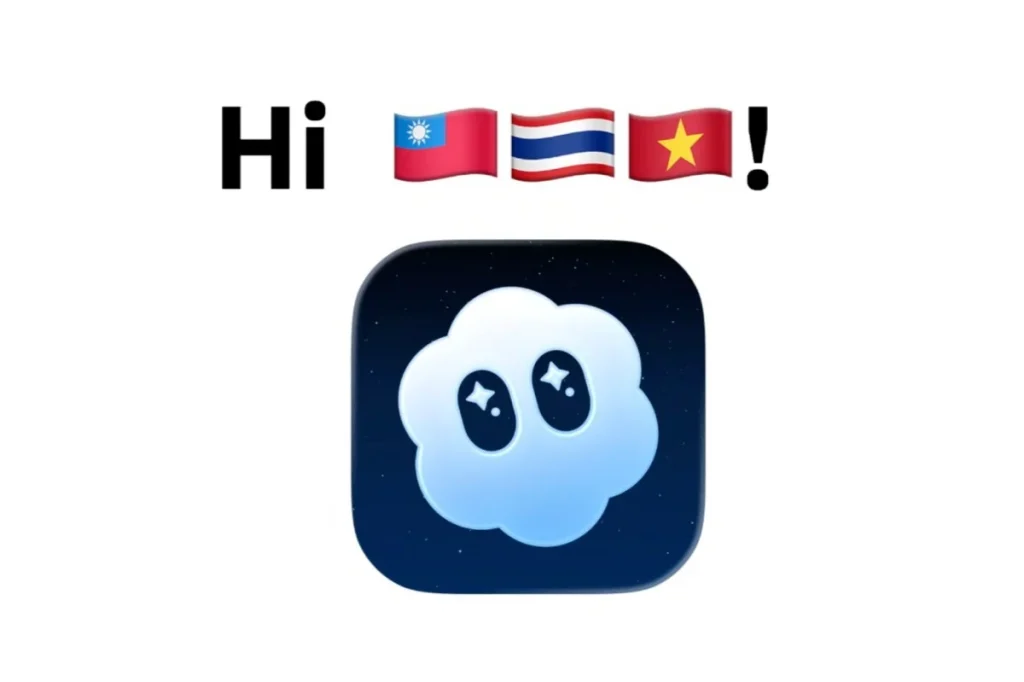
OpenAI has officially announced the expansion of its AI video creation platform, Sora App, into the Asian market, debuting first in Taiwan, Thailand, and Vietnam. The company explained that these regions were chosen for their vibrant creative communities, expressing great anticipation in empowering local creators and inspiring a new wave of digital storytelling through Sora.
The Sora App is now available for download via the Apple App Store in Thailand and other regions—no invitation code required. According to OpenAI, since its initial launch in the United States and Canada in early September, Sora App surpassed one million downloads within just five days.
OpenAI stated that the goal behind developing Sora App was to enable creators to unleash their imagination through AI, transforming ideas into captivating videos with ease, and fostering a new, interactive creative experience.
At present, the app imposes only “relatively relaxed” usage restrictions, encouraging users to freely explore Sora’s creative potential. However, OpenAI emphasized that specific content categories are subject to safety constraints, with the company reserving the right to adapt its policies as necessary.
In response to recent requests from the Japanese government urging respect for anime copyrights, OpenAI clarified that similar automated content moderation systems have already been implemented across multiple regions to restrict the generation of prohibited material. The company underscored its commitment to local legal compliance and its goal of preventing violations before they occur.
Behind Sora lies a multi-layered safety architecture designed to filter out unsafe outputs such as pornographic, terrorist, or self-harm-promoting content. The system cross-references video frames, audio transcripts, and text prompts to ensure alignment and safety. OpenAI also revealed that extensive red-teaming exercises had been conducted before launch to identify and mitigate potential risks.
Particular attention has been paid to audio generation. Sora scans transcripts to detect potential policy violations and blocks the creation of music or voices mimicking real artists or copyrighted works, thereby preventing ethical and legal infringements.
OpenAI further emphasized that users will retain complete control over their creative output—deciding when and how to share videos, deleting published works at any time, and reporting inappropriate content. Every video, profile, and comment can be flagged for review, with a transparent enforcement process in place. Users may also block other accounts to prevent unwanted messages or profile access.
Built upon the newly unveiled Sora 2 model, the app’s key features include:
- Video Generation – Create vivid, lifelike videos directly from text prompts.
- Remix Functionality – Reinterpret or creatively remix other creators’ works.
- Sora Feed – A customizable discovery feed for exploring trending AI videos.
- Cameos (Personal Portraits) – Users can place themselves within AI-generated scenes. By recording a short clip and voice sample within the app, Sora verifies identity, captures facial and vocal characteristics, and generates a personalized cameo that matches the user’s likeness.
The app supports Traditional Chinese interfaces and prompt input, making it especially accessible to creators in Taiwan and other Mandarin-speaking regions. OpenAI highlighted that Cameos has quickly become one of the most beloved features among early adopters—not only a creative tool but also a new form of social interaction.
From the very first day of Sora App’s release, OpenAI has prioritized safety and responsibility, implementing a range of thoughtful measures:
- Creation-Centered Feed – Designed to inspire creativity rather than foster endless scrolling. Content prioritizes creators users follow or engage with, and optimization is not based on “watch time.”
- User-Controlled Cameos – Full control over cameo usage; users can withdraw consent or request the removal of any video containing their likeness, even from drafts.
- Visible and Tamper-Proof C2PA Watermarking – Each Sora video bears an animated visible watermark and an embedded C2PA digital signature, clearly identifying it as AI-generated.
- Teen Safety Protections – Daily viewing limits for teen users, stricter permissions for Cameos, and expanded human moderation to counter potential bullying.
- Parental Supervision via ChatGPT – Parents can enable parental controls through ChatGPT, adjusting scrolling limits, disabling personalized recommendations, and managing private message settings.
With its combination of creativity, accessibility, and ethical safeguards, OpenAI envisions Sora as a platform that not only redefines AI-driven storytelling but also empowers creators across Asia to shape the next frontier of visual expression.
Related Posts:
- AI vs. Authenticity: Cameo Sues OpenAI Over Sora’s ‘Cameo’ Deepfake Feature
- Azure AI Unleashes Sora: Microsoft’s Dive into Native Video Generation
- Sora Comes to Bing Mobile: Free AI Video Generation Now Available!
- ChatGPT and Sora Go Offline: OpenAI Scrambles to Restore Service Amid Global Outage
- OpenAI’s Sora AI Video App Hits 1 Million Downloads in Under Five Days, Outpacing ChatGPT
Support Our Threat Intelligence
Find our tech and OS security coverage helpful? Support our work today and unlock a 100% ad-free reading experience!
 Buy Me a Coffee
