 Do Son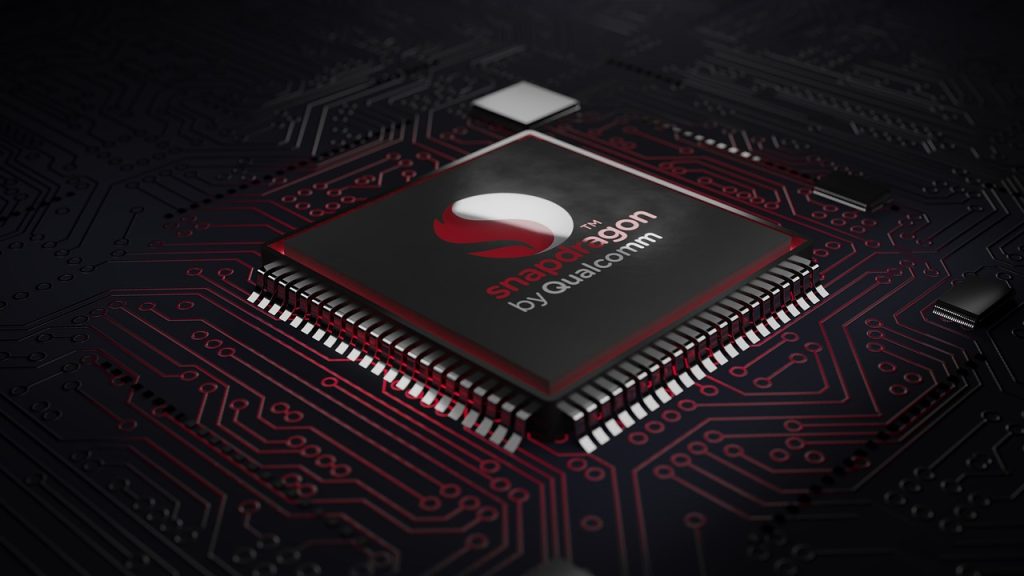
Rising Supplier Costs Drive Global Price Revisions
According to recent industry disclosures, Qualcomm has officially begun notifying enterprise clients that it will implement price hikes across its silicon portfolio starting September 1, 2026. While the communication specifies a double-digit percentage escalation, even conservative estimates project a baseline increase of at least ten percent. As originally reported by Bloomberg, Qualcomm tells customers that prices are going up by double digits due to unrelenting upward cost pressures from component suppliers that the semiconductor giant can no longer absorb independently.
This price adjustment extends far beyond mobile processors. The increase encompasses Snapdragon wearable platform silicon, Windows on Arm processors, tablet chipsets, smart eyewear modules, and connected IoT hardware. Because Qualcomm holds a commanding market share in premium Android smartphones, subsequent flagship devices will almost certainly reflect these elevated component expenses.
Upstream Pressures and AI Capacity Strain
In its formal communication to partners, Qualcomm detailed its extensive efforts since 2025 to mitigate rising expenses through alternative sourcing and optimized procurement. However, viable strategies to offset upstream cost inflation have been exhausted. This market shift mirrors broader supply chain trends, as memory components, advanced node fabrication, packaging, and wafer foundry services face sustained price increases.
Furthermore, booming demand for artificial intelligence server infrastructure continues to devour advanced foundry capacity. Semiconductor foundries increasingly prioritize high-margin datacenter orders over consumer silicon. Consequently, mobile device manufacturers incur higher indirect costs across the broader supply chain ecosystem. As a fabless designer, Qualcomm relies on TSMC and Samsung for manufacturing, alongside external suppliers for substrates, power management ICs, and RF components. When every node in the assembly chain raises rates, margin preservation requires passing costs down.
Broad Impact on Android Flagships and Mid-Range Devices
Flagship Android smartphones powered by Snapdragon 8-series platforms will feel the immediate brunt of these increases. Original Equipment Manufacturers (OEMs) face difficult choices: raise retail prices, absorb lower profit margins, alter hardware specifications, or adopt alternative chipsets. Because the premium smartphone market remains fiercely competitive, absorbing double-digit chip price hikes proves challenging. This difficulty is exacerbated by rising prices for displays, memory, camera sensors, and cooling assemblies.
Mid-range devices will also experience indirect ripples. To manage margin pressures, OEMs may adjust overall portfolio pricing or reduce peripheral specifications on mid-tier models. While list prices for mid-range handsets might appear stable, consumers may observe reduced storage capacity or extended lifecycles for legacy silicon platforms.
Support Our Threat Intelligence
Find our tech and OS security coverage helpful? Support our work today and unlock a 100% ad-free reading experience!
 Buy Me a Coffee
