
 Do Son
Qualcomm notifies clients of double-digit chip price hikes starting September 2026, impacting Android smartphones and wearable technology.
semiconductor

Anthropic eyes Fractile’s RISC-V chips to slash AI costs by 90%. Discover how this British "near-memory" architecture aims to beat NVIDIA inference by 100x.

OpenAI is building an AI-first smartphone with MediaTek and Luxshare. Ditching apps for autonomous agents, this device aims to master the mobile ecosystem.
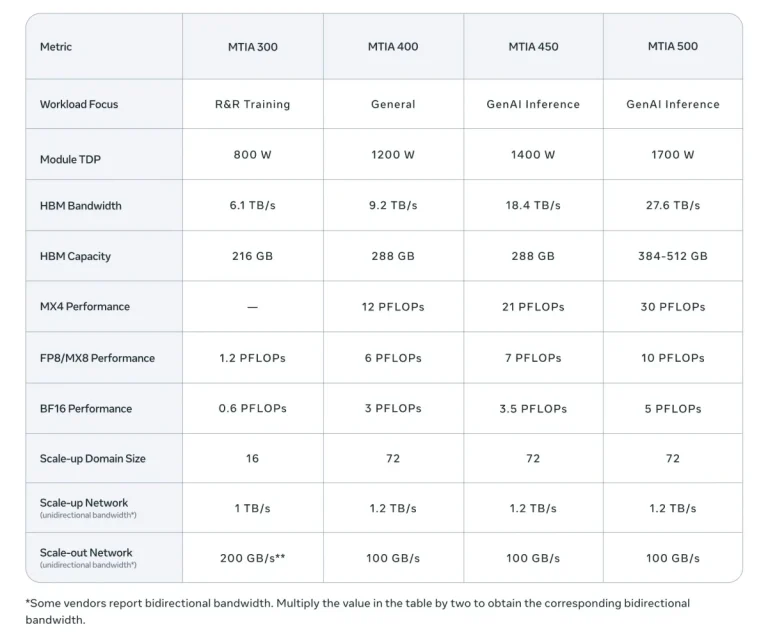
Meta shatters the industry standard with a 6-month chip cycle. Discover the MTIA 300-500 roadmap designed to slash AI costs and power 3 billion users by 2027.

Samsung enters the final phase of NVIDIA’s HBM4 certification. Mass production in early 2026 could break SK Hynix’s monopoly and reshape the AI memory market.

Microsoft debuts Maia 200, a 3nm AI powerhouse with 140B transistors. Designed for GPT-5.2 and Copilot, it triples the performance of Amazon’s Trainium 3.
At CES 2026, Qualcomm CEO Cristiano Amon confirmed a return to Samsung for 2nm chip production, aiming to diversify supply as TSMC capacity tightens.

Samsung is ditching chip-stacking for a Side-by-Side layout to end Exynos overheating. Will this radical 2nm design finally kill the "Exynos Curse"?

ByteDance targets a $14B NVIDIA spend for 2026 while moving its 1,000-person chip team to Singapore's Picoheart to navigate US export curbs.

SAIMEMORY, backed by SoftBank, Intel, and now Fujitsu, is developing a low-power HBM successor to end the AI memory shortage and challenge Korean dominance.

NVIDIA pays $20B to license Groq's LPU tech and hires founder Jonathan Ross, neutralizing a top inference rival while dodging antitrust blocks.

In a major policy reversal, the U.S. will allow NVIDIA to export its H200 AI chips to China—but only with a mandatory 25% fee paid to the U.S. government.
Samsung Foundry reached 60-70% 4nm yield, securing a $100M order for OPU chips from US AI startup Tsavorite, signaling recovery in high-end chip production.

NVIDIA announced a $2B equity investment in Synopsys to expand their partnership, integrating Agentic AI and accelerated computing into chip design, automotive, and aerospace engineering.

Apple and NVIDIA are fiercely competing for TSMC's next-gen A16/A14 capacity. To mitigate risk, Apple is exploring using Intel's 18AP process for entry-level M-series chips.

Apple is reportedly signing a deal for Intel to manufacture entry-level M-series chips (MacBook Air/iPad Pro) using its 18A process by mid-2027, validating Intel's foundry business.
NVIDIA CEO Jensen Huang unveiled the first Blackwell wafer produced at TSMC's Arizona fab. The move, a landmark for the US supply chain, signals volume production of the next-gen AI chip in America.
China's SAMR launched an antitrust probe into Qualcomm for acquiring Autotalks without filing a mandatory "operator concentration declaration," violating the Anti-Monopoly Law.
Samsung announced a strategic partnership with OpenAI to supply high-performance DRAM and collaborate on global AI infrastructure, including the massive "Stargate" data center project.

A U.S. court dismissed Arm's remaining lawsuit against Qualcomm and Nuvia, granting Qualcomm a "complete victory" and clearing the way for its high-performance CPU cores.

After the U.S. government became Intel’s largest shareholder with an $8.9 billion investment, NVIDIA announced that it...

Intel's upcoming 14A process node will be more expensive than its predecessor due to the use of advanced high-NA EUV lithography machines.