 Do Son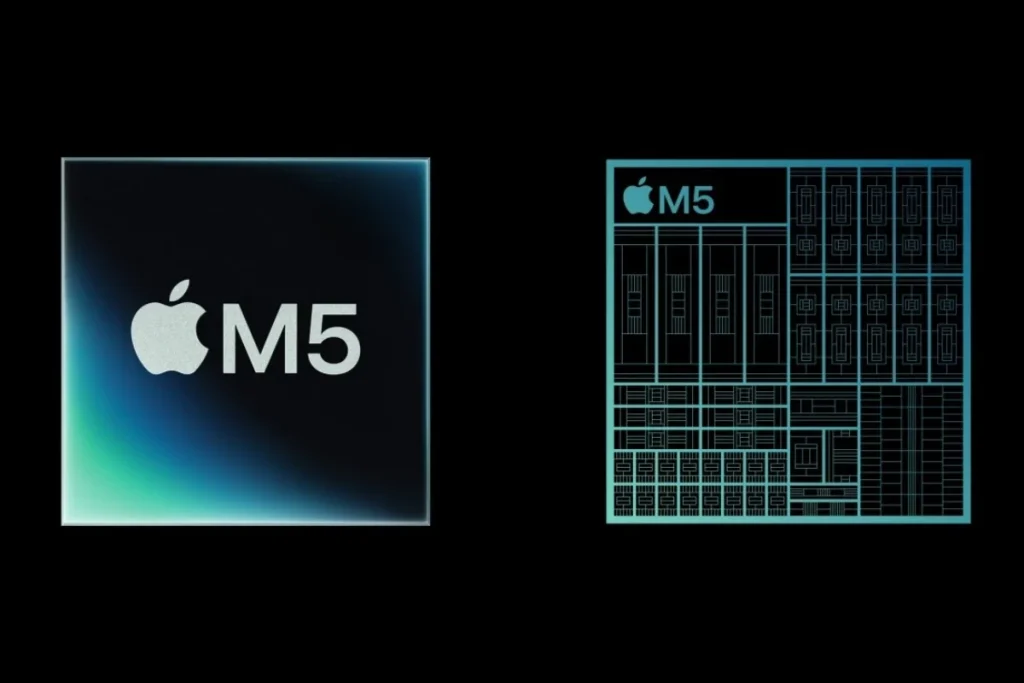
TF International analyst Ming-Chi Kuo recently reported that Apple is preparing to certify its entry-level Apple M-series chips on Intel’s 18A process, noting that the company has already signed a confidential foundry agreement with Intel.
Intel could begin mass production of Apple’s M-series silicon as early as Q2 or Q3 of 2027, marking the company’s return to Apple’s supply chain. At present, TSMC remains Apple’s primary chip-production partner.
On the manufacturing front, Intel Foundry Services has already secured contracts. Intel will use its 18A/18A-P process nodes to produce Microsoft’s Maia 2 AI processors, demonstrating that the foundry business does, at least for now, retain major clients.
The entry-level M-series chips referenced in the report are those used in the MacBook Air and iPad Pro. Combined shipments of these devices reached roughly 20 million units in 2025. Apple is also preparing to launch a new entry-level MacBook line powered by A-series chips, with annual demand for these processors projected to stabilize between 15 and 20 million units from 2026 to 2027.
For Intel, this represents a highly favourable volume. Although the scale is not enormous by industry standards, it would nonetheless strengthen Intel’s reputation as a competitive foundry. Kuo adds that the move will not meaningfully affect TSMC’s near-term revenue structure, nor will it challenge TSMC’s dominance in cutting-edge process technology.
Intel’s CEO previously warned that the company might abandon its foundry ambitions altogether if it failed to attract sufficient clients. Foundry services were a central initiative under former CEO Pat Gelsinger, and Apple’s participation ensures that Intel’s foundry business will not be abandoned — at least not for now.
Related Posts:
- Apple Planning Cheaper 13-inch MacBook with A18 Pro Chip, Mass Production Late 2025
- Qualcomm CEO: Intel’s Foundry Is Not Ready for Our Chips
- Azure AI Unleashes Sora: Microsoft’s Dive into Native Video Generation
- NVIDIA and Intel Form Historic Partnership to Redefine Computing
Support Our Threat Intelligence
Find our tech and OS security coverage helpful? Support our work today and unlock a 100% ad-free reading experience!
 Buy Me a Coffee
