 Do Son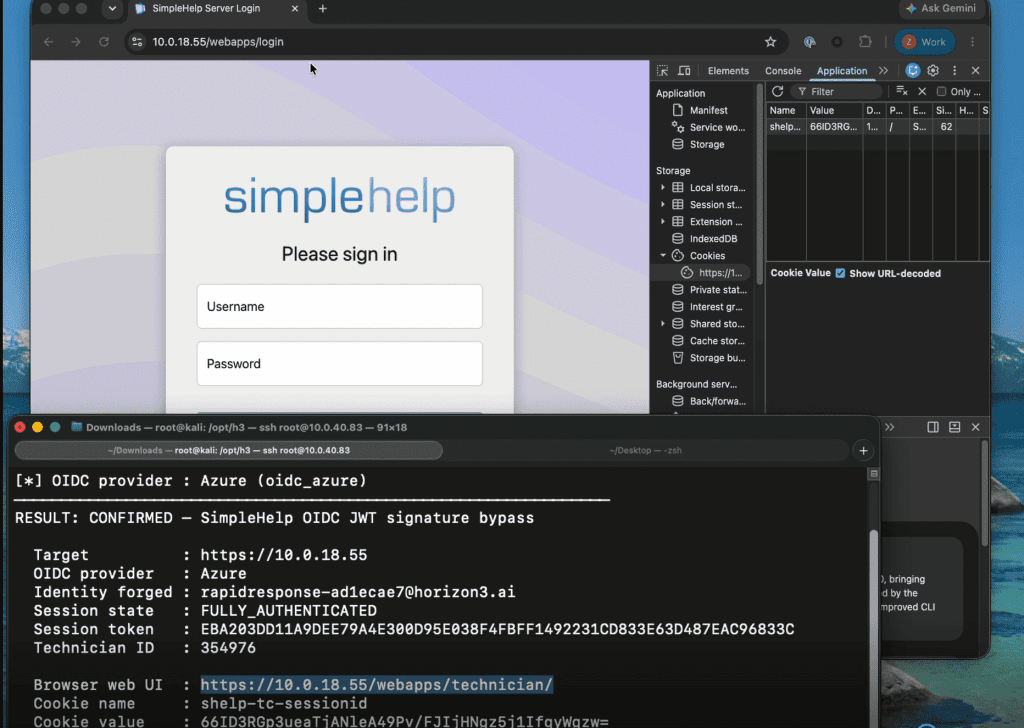
Image: Horizon3
Recently, a maximum-severity flaw emerged in the remote management software landscape. Cybersecurity researchers found a critical SimpleHelp authentication bypass tracked as CVE-2026-48558. This security vulnerability carries a CVSS score of 10, indicating the highest risk level. Specifically, the issue allows unauthenticated attackers to forge credentials and seize administrative control. Therefore, enterprises must review their public-facing remote support tools immediately to prevent unauthorized network entry.
Flaws in the OIDC Authentication Flow
According to threat analysts, the vulnerability resides within the application’s single sign-on mechanism. “When OIDC authentication is configured, identity tokens submitted during login are accepted without verifying their cryptographic signature.” Consequently, an attacker can construct an altered token to spoof an identity. In a vulnerable configuration, an attacker can easily obtain a fully authenticated technician session. Furthermore, this issue permits adversaries to circumvent multi-factor authentication (MFA) protections seamlessly.
Achieving Full Remote Access
Once inside, the threat actor gains highly privileged capabilities across the corporate environment. By default, a newly created technician account can perform extensive management activities. These tasks include executing malicious scripts and remoting into managed endpoints. Shockingly, even if administrators require MFA, this protective measure fails completely. Because technicians can self-register their own MFA method on their first login, attackers bypass existing validation policies.
Rising Global Internet Exposure
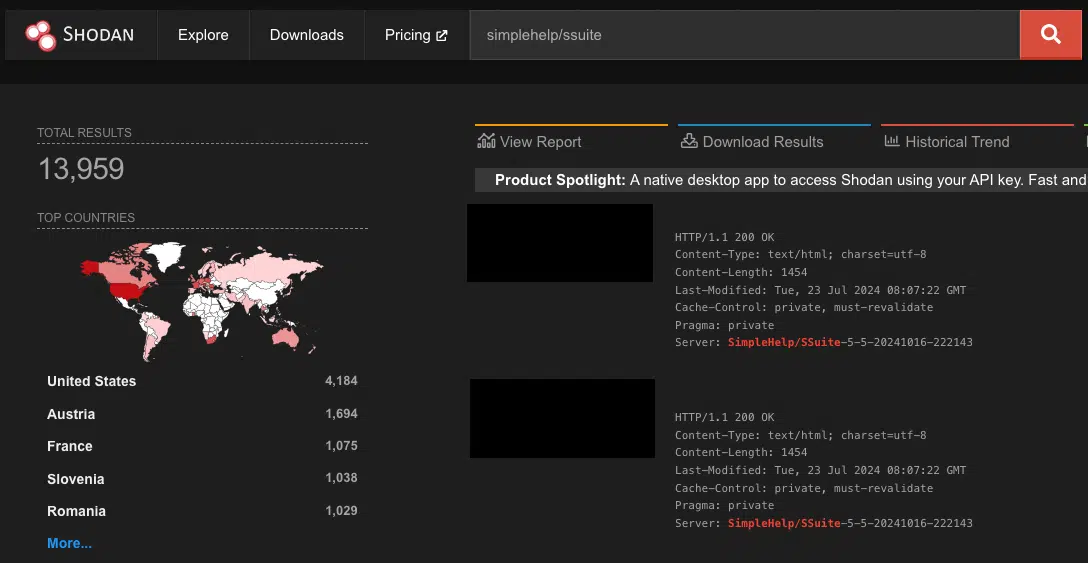
Threat intelligence scans show a dramatic surge in exposed servers worldwide. Specifically, Shodan data reveals that internet exposure grew from roughly 3,400 servers last year to nearly 14,000 active instances. Approximately 7.2 percent of these servers run the vulnerable configuration. For comprehensive details on detecting active compromises, organizations can check the official Horizon3.ai vulnerability disclosure and IoC guide.
Mitigation Steps and Defenses
To protect your infrastructure, applying software patches is the most reliable path. However, if your team cannot update the system quickly, you should modify server settings immediately. Security advisors recommend implementing strict network controls. For instance, you can apply IP restrictions to limit where technicians authenticate from. Ultimately, patching this SimpleHelp authentication bypass and securing the OIDC authentication flow remains paramount to preventing unauthorized remote access across enterprise endpoints.
Support Our Threat Intelligence
Find our vulnerability reports and weekly recaps helpful? Support our work today and unlock a 100% ad-free reading experience!
 Buy Me a Coffee
