Streaming Fraud: “Massiv” Android Trojan Uses Fake IPTV Apps for Complete Device Takeover
 Do Son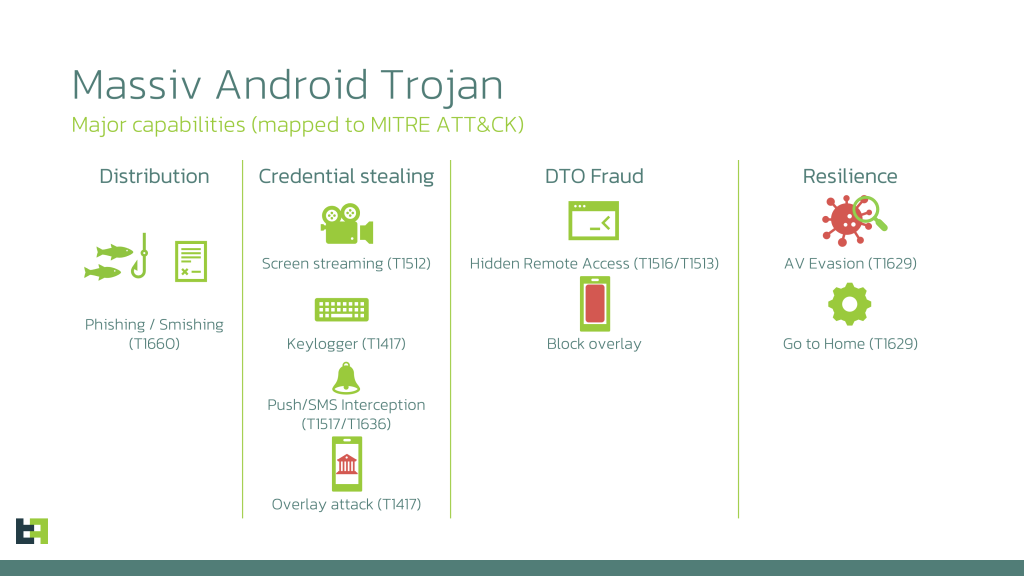
Image: Threat Fabric
The mobile threat landscape is becoming increasingly perilous as cybercriminals devise new, unsuspicious ways to infiltrate smartphones. A newly published report from Threat Fabric sheds light on a dangerous new player in the Android malware ecosystem: a banking Trojan dubbed Massiv.
Discovered by a Mobile Threat Intelligence (MTI) team, Massiv is highly targeted, deeply evasive, and already responsible for confirmed financial fraud in southern Europe.
To successfully deploy a banking Trojan, attackers must first convince a victim to bypass official app stores and install a malicious file. According to the report, “A modern Android banking Trojan, which is usually distributed through side-loading, must convincingly masquerade as a legitimate application so that it does not raise suspicion and persuades victims to proceed with the installation”.
While fake browser updates remain the most popular disguise, a rapidly growing trend involves weaponizing entertainment.
The researchers noted that “threat actors masquerade their malware as IPTV applications, targeting users looking for the online TV applications”. This tactic has been particularly prevalent in countries such as Spain, Portugal, France, and Turkey, preying on users eager for free or cheap media streaming.
Once installed, Massiv does not simply steal data; it steals the entire device.
The report classifies Massiv as “a new Device Takeover malware family without direct links to other known threats”.
By granting the malware dangerous accessibility permissions, users inadvertently hand over the keys to their digital lives. The Trojan “poses great risk to the users of mobile banking, allowing its operators to remotely control infected devices and perform Device Takeover attacks with further fraudulent transactions performed from victim’s banking accounts”.
Currently, Massiv operates privately, which works to its advantage. By executing small, targeted campaigns, it avoids the massive spotlight that typically brings down widespread botnets, “dragging less attention by detection solutions”.
However, the researchers warn that this exclusivity might not last. The malware’s architecture suggests its creators are preparing to rent it out to other cybercriminals. “While not yet observed being promoted as Malware-as-a-Service, Massiv’s operator shows clear signs of going this path, introducing API keys to be used in malware communication with the backend,” the report reveals.
Financial organizations and security teams are strongly advised to monitor this evolving threat, as ongoing code development indicates “more features likely to be introduced in the future”. Consumers, meanwhile, must remain vigilant and avoid side-loading unverified IPTV apps that promise the world but deliver a compromised bank account.
Related Posts:
- GitLab Patches High-Severity Flaws: Update Now to Prevent XSS and Account Takeover
- Telegram Phishing Campaign Hijacks Accounts by Abusing Trust
- GitLab Releases Security Update to Patch XSS and Account Takeover Flaws
- New Android Banking Trojan Targets Indian Users Through Fake Apps
Support Our Threat Intelligence
Find our threat intelligence and malware analysis helpful? Support our work today and unlock a 100% ad-free reading experience!
 Buy Me a Coffee
