 Do Son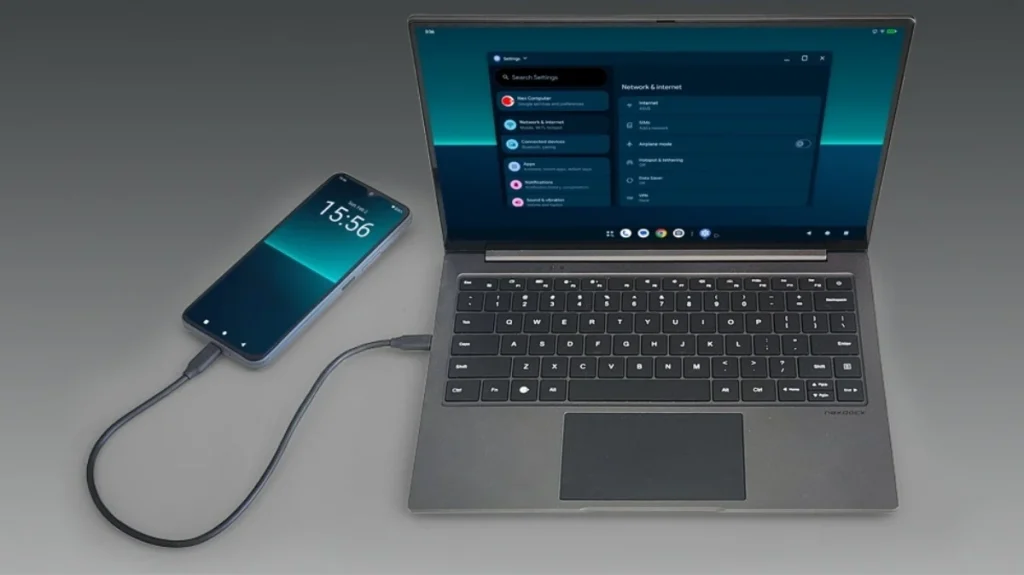
In a 2026 landscape increasingly characterized by the homogenization of mobile hardware, a niche manufacturer has finally dared to present something profoundly unconventional. Nex Computer recently announced that it will debut the NexPhone during the third quarter of this year. The allure of this mid-range device lies not in superlative optics or expansive displays, but in its audacious capacity to alternate between three distinct operating systems: Android, Linux, and Windows 11, all powered by Qualcomm’s industrial-grade Dragonwing processor.
The NexPhone’s most distinctive attribute is its departure from the ubiquitous Snapdragon series in favor of the Qualcomm Dragonwing QCM6490 computing platform. Typically reserved for ruggedized tablets, point-of-sale terminals, and IoT monitoring systems, this chip was selected for its exceptional longevity—boasting official support until 2036—and a design architecture that imposes fewer constraints than consumer-grade silicon. This flexibility facilitates deeper low-level system calls essential for multi-OS development while maintaining comprehensive 5G, Wi-Fi, and Bluetooth connectivity. Software-wise, the device runs a bespoke NexOS, wherein Linux is integrated as an application within the Android environment, allowing users to pivot between the two without a system reboot.
Windows 11 functionality is achieved through the Windows on Arm architecture, for which Nex Computer has crafted a dedicated interface—a nostalgic homage to the iconic Live Tiles of the defunct Windows Phone era. Furthermore, the NexPhone adheres to the “phone-as-a-brain” philosophy, supporting display output via USB-C to transform into a desktop PC or, when paired with the NexDock accessory, a laptop workstation. Its physical construction is notably resilient, adhering to MIL-STD-810H military standards and IP68/IP69K ratings. The hardware specifications remain modest, featuring a 6.58-inch 120Hz IPS display protected by Gorilla Glass 3, a 5,000mAh battery with 18W charging, and a 50-megapixel primary camera utilizing the Sony IMX787 sensor.
Currently available for pre-order at an initial deposit of $199—inclusive of a complimentary 5-port USB-C hub—the NexPhone carries an anticipated retail price of $549. Its emergence evokes the legendary “hacker” era of the HTC HD2, a time when enthusiasts relished the challenge of porting disparate operating systems to a single handset. For the dedicated developer or Linux aficionado, it represents a captivating plaything; however, for the mass market, significant apprehensions persist.
The foremost concern involves licensing and certification. It remains ambiguous whether the implementation of Windows 11 carries official Microsoft endorsement or exists within a legal gray area. Similarly, the utility of the Android environment hinges on the presence of Google Mobile Services (GMS); a reliance solely on AOSP could severely diminish its practicality. Secondly, while the Dragonwing QCM6490 offers longevity, its performance metrics are comparable to mid-range chips from several years ago, potentially struggling under the weight of complex Windows 11 tasks. Ultimately, the NexPhone is a labor of passion for the “hardcore geek,” while the average consumer might find it more prudent to remain a distant observer.
Related Posts:
- iPhone 17 Surge: Apple Hits Record $102B Revenue While Teasing AI Siri 2026 Debut
- The Siri Crisis: Internal Testing Reveals Disappointing Performance for Apple’s Next AI
- Samsung’s Tri-Fold “Galaxy G Fold” May Debut at Galaxy Unpacked 2025
- Apple Planning Touchscreen OLED MacBook Pro with M6 Chip for Late 2026 Debut
Support Our Threat Intelligence
Find our tech and OS security coverage helpful? Support our work today and unlock a 100% ad-free reading experience!
 Buy Me a Coffee
