Apple Planning Touchscreen OLED MacBook Pro with M6 Chip for Late 2026 Debut
 Do Son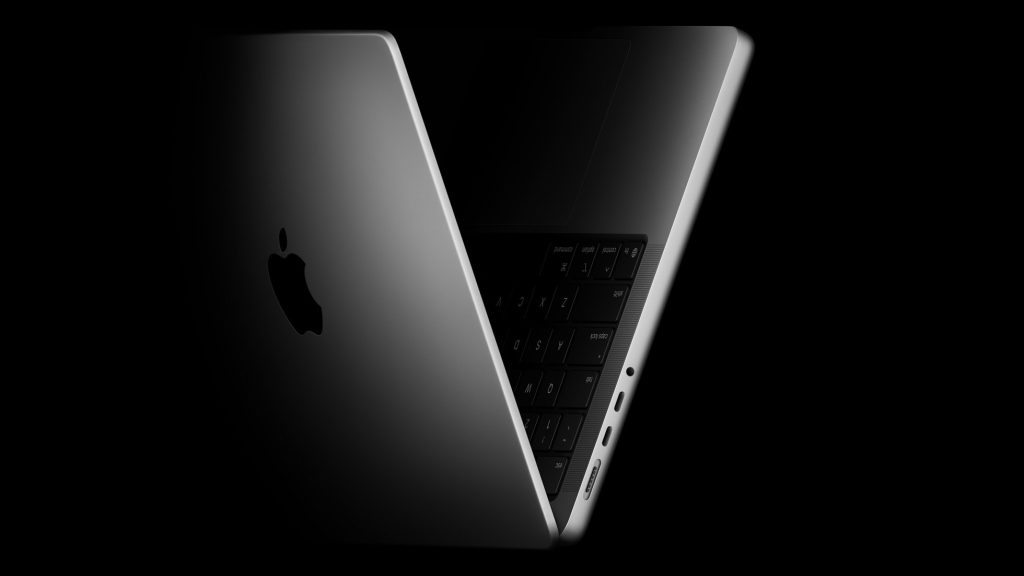
According to recent reports, Apple appears poised to break from long-standing tradition by introducing touchscreen functionality to its MacBook Pro lineup. This major shift is expected to debut between late 2026 and early 2027 with the release of the M6 chip-powered MacBook Pro, marking a defining turning point in the evolution of Apple’s notebook series.
Bloomberg journalist Mark Gurman revealed that the models, codenamed K114 and K116, will feature OLED displays supporting multi-touch input, along with reinforced hinges and upgraded screen hardware to ensure display stability during touch interactions. Despite the addition of touch capability, these laptops will retain the familiar trackpad and keyboard, housed within a thinner and lighter chassis.
The new design will also eliminate the notch currently found on MacBook Pro displays, replacing it with a punch-hole camera that preserves additional screen real estate around the sensor.
This development corroborates last month’s forecast from analyst Ming-Chi Kuo, who predicted that Apple would integrate touch technology into future MacBook models, “further blurring the line between the MacBook and the iPad.”
For years, the late Steve Jobs had staunchly opposed the idea of touchscreen computers, and Apple indeed entered this arena nearly a decade later than its competitors. In recent years, the company has sought to position the iPad as a full-fledged alternative to laptops—embodied by its now-iconic marketing line: “What’s a computer?”
Should the touchscreen MacBook come to fruition, Apple will face the challenge of distinguishing its MacBook and iPad product lines. The current iPad Pro already shares Apple’s M-series chips and supports both keyboard and stylus accessories. Adding touch functionality to the MacBook would make the boundary between the two devices even more indistinct.
This transformation reflects not only evolving market expectations but also Apple’s reimagining of the future of personal computing. While the exact implementation remains to be seen, it is certain to offer a fresh creative experience for designers, artists, and professional users alike.
If confirmed, this would represent the most significant user-experience revolution in the MacBook’s history—and a clear signal that Apple is finally ready to embrace the touchscreen laptop concept it once so adamantly resisted.
Related Posts:
- MacBook Pro with OLED Display Is Delayed, but a New Design Is Coming
- The MacBook is Getting a Touchscreen, But Not How You Think
- The MacBook Pro Is Getting an OLED Display, But There’s a Catch
- Enhanced Privacy on Chrome: Google Introduces “IP Protection” Feature
- OpenAI vs. Court Order: The Battle to Protect Your ChatGPT Privacy
Support Our Threat Intelligence
Find our tech and OS security coverage helpful? Support our work today and unlock a 100% ad-free reading experience!
 Buy Me a Coffee
