The Insider Crisis: How Bribed Outsourced Staff Sold Out Ubisoft’s Crown Jewels
 Do Son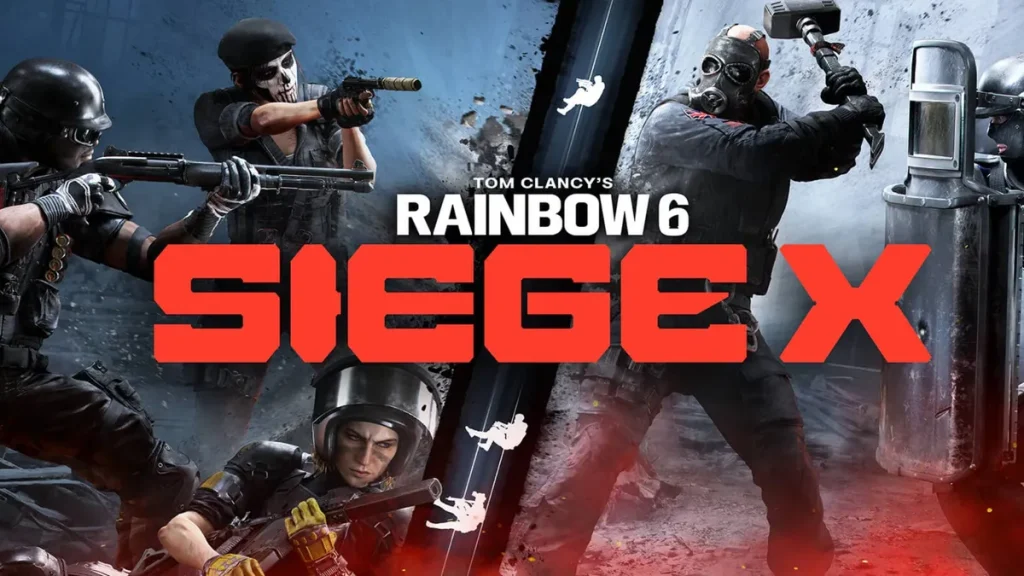
Image: Ubisoft
The security research group vx-underground, active on social media platforms, recently released a series of disclosures concerning attacks against Ubisoft and its Rainbow Six franchise. Because these revelations implicated outsourced Ubisoft staff in India and South Africa, the account has also drawn a wave of hostile reactions from some Indian users.
According to sources cited by VX, along with screenshots purportedly taken from Ubisoft’s internal systems, the incident exposes a shadowy insider-for-hire ecosystem within the company and highlights the structural fragility of multinational firms that rely heavily on overseas outsourcing. VX’s disclosures suggest that the seeds of the crisis were sown as early as 2021. Investigations indicate that members of Ubisoft’s outsourced support teams in India and South Africa, tempted by financial incentives, violated company policy by providing external hackers with access paths into Ubisoft’s internal network.
By bribing employees who possessed legitimate system privileges, the attackers gained access to critical collaboration tools, including Microsoft Teams, Confluence, SharePoint, and Atlas, Ubisoft’s internal project-tracking system.
In the most recent attack, hackers reportedly remained undetected within Ubisoft’s internal network for approximately 48 hours before being discovered and expelled by the company’s IT team. During this window, they attempted to exfiltrate up to 900 GB of data, with their primary focus on Ubisoft’s flagship title, Rainbow Six Siege. Many players may have seen reports that hackers injected in-game currency and items worth an estimated $339 billion into a vast number of Rainbow Six accounts, leaving the community puzzled about the attackers’ true motives.
In reality, the hackers’ objective was not conventional ransomware extortion, but rather control over Rainbow Six accounts and access to internal assets, such as complete game source code. Consequently, there have been no reports of ransom demands directed at Ubisoft.
The attackers allegedly collaborated with insider employees to form an illicit supply chain: compromised staff abused their positions to follow hacker instructions, illegally modifying or transferring player accounts. The hackers also attempted to exploit a MongoDB vulnerability—commonly referred to as “MongoBleed”—to deepen their access and pivot further into Ubisoft’s internal Git repositories.
In subsequent statements, Ubisoft emphasized that no player personal data was leaked during the incident. However, internal screenshots indicate that the attackers were indeed able to view portions of game development documentation and internal communications. At present, there is no evidence that player data was stolen, though investigations are ongoing.
A key underlying factor is compensation. Outsourced teams in India and South Africa are primarily tasked with handling customer support issues—such as account bans, transaction disputes, and refunds—roles that are non-technical and therefore poorly paid. In such contexts, bribes amounting to several thousand dollars may far exceed an employee’s annual salary, making insider abuse a recurring problem. A similar dynamic was seen in the case of the U.S. cryptocurrency exchange Coinbase, which suffered a massive data breach after outsourced staff acted as insiders.
Another challenge inherent to multinational outsourcing is the difficulty of effective auditing. Headquarters often struggle to conduct detailed, real-time security oversight of overseas operations. In the Coinbase case, insiders reportedly photographed sensitive information directly from screens using personal phones—an activity that software-based monitoring systems are incapable of detecting.
Cybersecurity experts warn that unless companies address the root causes—namely personnel integrity and strict enforcement of least-privilege access in overseas centers—Ubisoft will remain exposed to sustained internal and external threats. In response to VX’s posts, some developers expressed concern that if even internal collaboration platforms can be sold off by insiders, then data encryption and firewalls risk becoming little more than symbolic safeguards.
Related Posts:
- Ubisoft Hit by New Data Breach
- The $339 Trillion Glitch: Ubisoft Loses Control of Rainbow Six Siege in Massive Breach
- Social Engineering Attack: Coinbase Customer Data Stolen, 70K Users Affected
Support Our Threat Intelligence
Find our threat intelligence and malware analysis helpful? Support our work today and unlock a 100% ad-free reading experience!
 Buy Me a Coffee
