The Ultimate Insider Threat: How North Korean IT Workers Infiltrated the Global Remote Economy
 Do Son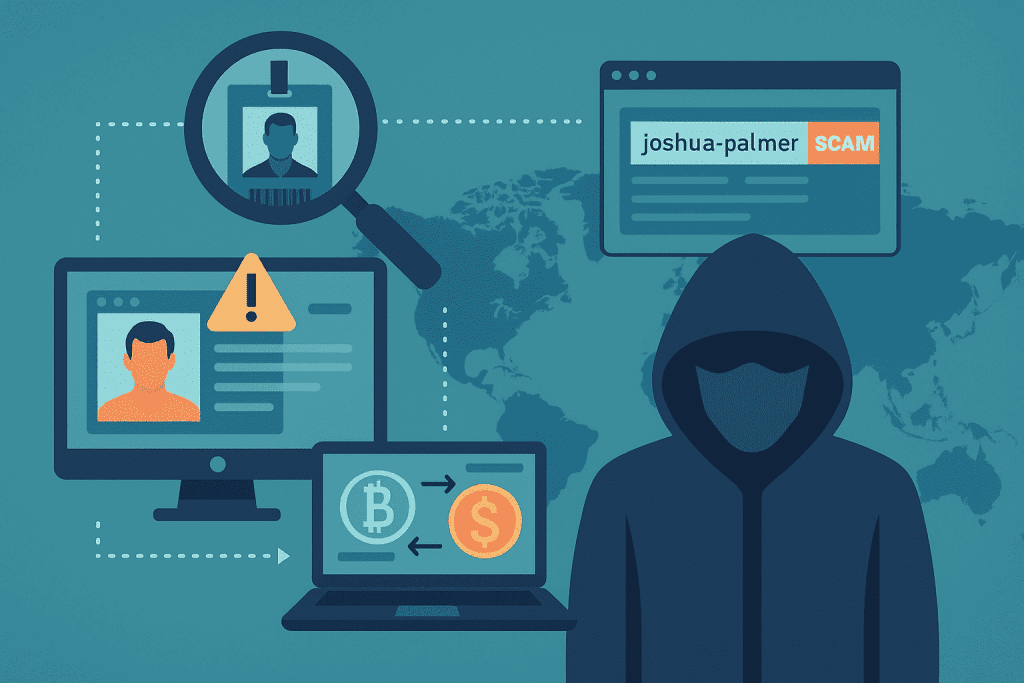
In an expose, DomainTools has peeled back the curtain on one of the most sophisticated and economically disruptive cyber-espionage campaigns in recent memory. The report details how the Democratic People’s Republic of Korea (DPRK) has transformed the traditional smash-and-grab cybercrime model into a covert, scalable, and persistent insider threat: disguised IT workers embedded deep within the global tech supply chain.
“Over the last five years, the Democratic People’s Republic of Korea (DPRK) has transitioned from smash-and-grab cryptocurrency raids to a more covert, scalable model of economic warfare: the global deployment of disguised IT workers,” the report states.
This North Korean cyber-labor initiative—directed by the Reconnaissance General Bureau (RGB)—employs forged or stolen identities to place operatives into remote jobs at U.S. and international tech companies. According to DomainTools, the scheme has weaponized digital job markets, exploiting platforms like Upwork, Ureed, and Freelancer with startling effectiveness.
At the heart of this deception lies Song Kum Hyok, a senior officer within the notorious Andariel subgroup, who orchestrates identity theft, AI-enhanced resumes, and strategic infiltration of development teams.
“These identities often include verified Know Your Customer (KYC) data: Social Security numbers, clean background checks, and even Green Card scans, sourced from data breaches or underground markets.”
GitHub handles like devmad119, sujitb2114, and seemingly innocuous names like Joshua Palmer or Sandy Nguyen have been tied to well-constructed LinkedIn profiles, real company resumes, and even verified payroll documents.
Once hired, the operatives quietly integrate into core development processes. Their access to GitHub repositories, CI/CD pipelines, cloud environments, and internal Slack channels provides them with a goldmine of sensitive infrastructure and intellectual property.
“This seamless path, from stolen identity to embedded insider—is the operational backbone of Pyongyang’s covert cyber-espionage labor force.”
Their sabotage is subtle. The report notes potential “sleeper functions,” exfiltration scripts, and persistent backdoors planted into production codebases—foreshadowing devastating consequences should they be activated.
DomainTools’ report traces an elaborate laundering pipeline starting with cryptocurrency salaries. Operatives receive crypto payments via GitHub-linked wallets, route them through front companies like Hopana-Tech LLC, then fragment them using smart contracts across TRON and Ethereum wallets.
“Eventually, the cleaned funds were consolidated into wallets under DPRK control… converted into usable capital for the regime’s strategic programs, including its weapons development efforts.”
Shell companies like Independent Lab LLC and Highland Park 215 Spa LLC masked the income streams as legitimate. Kejia Wang, a central U.S.-based enabler, played a pivotal role—registering entities, laundering over $5 million in payments, and even deploying laptop farms across New Jersey.
The report warns of a systemic failure in hiring processes: over-reliance on third-party identity verification, automated onboarding, and the blind trust afforded to remote freelancers.
“Unlike external cyberattacks that can be blocked at the perimeter, these operatives gained trusted persistent access inside corporate networks by posing as vetted remote employees.”
The attackers adapted quickly. As scrutiny tightened on platforms like Upwork, they pivoted to lesser-known freelance hubs in the Middle East and Africa—exploiting their lax vetting systems with synthetic voices, AI-generated faces, and VPN-based geographic spoofing.
What began as an economic lifeline for the sanctions-strangled regime has now evolved into a geopolitical cybersecurity menace. More than just payroll fraud, these operatives accessed—and potentially compromised—critical codebases for fintech startups, defense contractors, and infrastructure firms.
“Far beyond financial theft, this scheme granted North Korean operatives persistent system access, enabling the injection of malicious logic, exfiltration of proprietary code, and creation of long-term backdoors across critical sectors.”
With an estimated $250 to $600 million laundered globally through this scheme and $1.6 billion lost to broader DPRK-linked cyber activity, DomainTools’ report calls for a radical reevaluation of corporate trust models.
Organizations are urged to implement zero-trust principles, continuous behavioral analysis, and rigorous verification of all remote hires.
Related Posts:
- $5 Million Reward Offered After Indictment of North Korean Cyber Operatives
- North Korean IT Workers Indicted in Elaborate “Laptop Farm” Scheme to Evade Sanctions
- North Korea’s IT Worker Scam: How the Regime Infiltrates Global Tech Firms for Cyber Espionage
- Windows 11 Tests New PC-to-PC Migration: Seamless File Transfers, But Apps Still a Manual Task
- Windows 11 Gets “Shared Audio”: Play Sound Through Multiple Devices Simultaneously
Support Our Threat Intelligence
Find our threat intelligence and malware analysis helpful? Support our work today and unlock a 100% ad-free reading experience!
 Buy Me a Coffee
