
 Do Son
As UAC-0050 adapts and refines its tactics, utilizing services of a Malaysian provider and the autonomous system AS44477 for hosting
Malware

Doctor Web's virus activity review revealed an 18.09% decrease in overall threats compared to October, with unique threats also diminishing by 13.79%
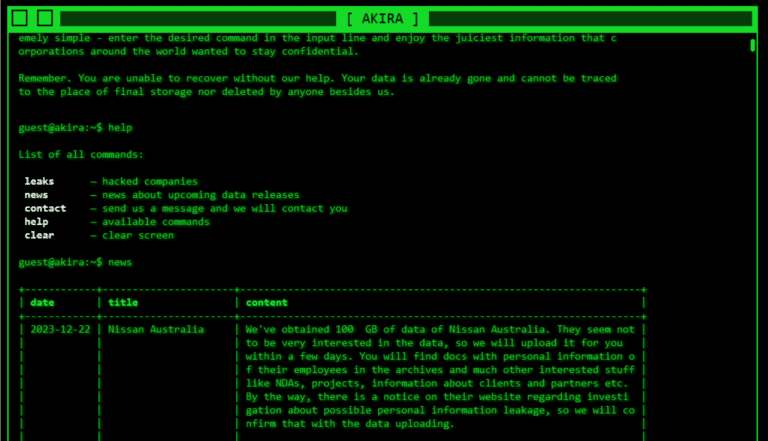
The ransomware group Akira has declared responsibility for the recent cyberattack on the systems of Nissan in Australia and New Zealand

Dubbed Operation RusticWeb, this campaign, uncovered in October 2023, demonstrates a nuanced approach to cyber espionage.

The campaign unfolded stealthily, leveraging the relatively new Nim programming language to construct a malicious backdoor

Cyber threat actor UAC-0099 has been actively targeting Ukraine since mid-2022, according to insights from the Deep Instinct Threat Lab

Android/Xamalicious has been embedded in about 25 different apps, some of which were distributed on Google Play since mid-2020

ThreatFabric detected "Chameleon," a banking trojan first identified in early 2023. This malicious entity, thriving in the digital ecosystem

BattleRoyal cluster is notable for its diverse attack chains designed to deliver malware efficiently. DarkGate serves as the gateway

In the ever-evolving landscape of cyber threats, MageCart malware emerges as a formidable foe, especially for WordPress users

Akira ransomware group exemplifies the evolving nature of cyber threats. Their ability to adapt tactics, from encryption-based ransomware

Cisco Talos's in-depth analysis unveils the stealth and persistence of Intellexa's infamous Predator spyware

MetaStealer found its way into systems primarily through malspam and cracked software distributed via hijacked YouTube accounts.

A new predator lurks - sophisticated threat actors using malicious JavaScript to steal sensitive information

In an era where mobile banking has become the norm, a new threat looms large, especially in India's banking sector - Android phishing.

Magecart, the perpetual phantom haunting e-commerce, continued its reign of terror by exploiting unpatched websites to steal credit card data

a malicious software distribution campaign they uncovered, which uses JavaScript web injections to steal banking data from 40 banks

A staggering 26,447 vulnerabilities were disclosed in 2023, surpassing 2022's total by over 1,500 CVEs.

The Konni group leveraged LNK files, essentially commonplace Windows shortcuts increasingly used by various threat actors,
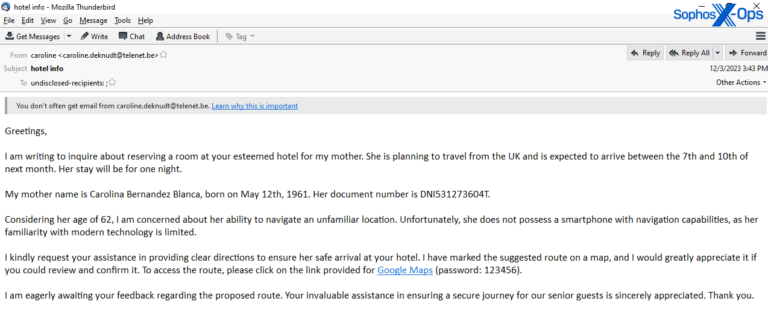
Sophos X-Ops warns that the "Inhospitality" malspam campaign represents a cunning blend of social engineering and malware

the Iranian espionage group Seedworm (also known as Muddywater) has emerged as a sophisticated and elusive adversary

GitHub Gists Abuse: This technique involves using GitHub Gists, a feature for sharing code snippets, to host two-stage malicious payloads.