
 Do Son
A vulnerability (CVE-2024-23832) has been exposed, with proof-of-concept (PoC) exploit code now freely circulating in the wild
Vulnerability

CVE-2020-3259, with a CVSS score of 7.5, targets the web services interface of Cisco Adaptive Security Appliance (ASA) Software

Squid, the widely used web proxy and caching server, is facing a high-severity Denial of Service (DoS) vulnerability (CVE-2024-25617)

CVE-2023-4408, stemming from flaws in DNS message parsing, presents a potential avenue for system overloads via manipulated queries

CVE-2023-52160, CVE-2023-52161 in WiFi software are allowing attackers to trick victims into connecting to evil twins of trusted networks

CVE-2024-21892 has been identified in how Node.js applications running on Linux handle environment variables under elevated privileges

NGINX has released an urgent patch to address 2 flaws (CVE-2024-24989, CVE-2024-24990) lurking within its experimental HTTP/3 implementation

CVE-2024-21410 flaw offers remote, unauthenticated threat actors a pathway to privilege escalation through NTLM relay attacks.

Dubbed the #MonikerLink bug, CVE-2024-21413 (CVSS 9.8) exploits a particular way Outlook processes hyperlinks

In the ever-evolving landscape of digital security, the GitHub Enterprise Server (GHES) has emerged as a cornerstone...

The vulnerabilities, identified as CVE-2023-20576, CVE-2023-20577, CVE-2023-20579, and CVE-2023-20587, carry a 'High' severity rating
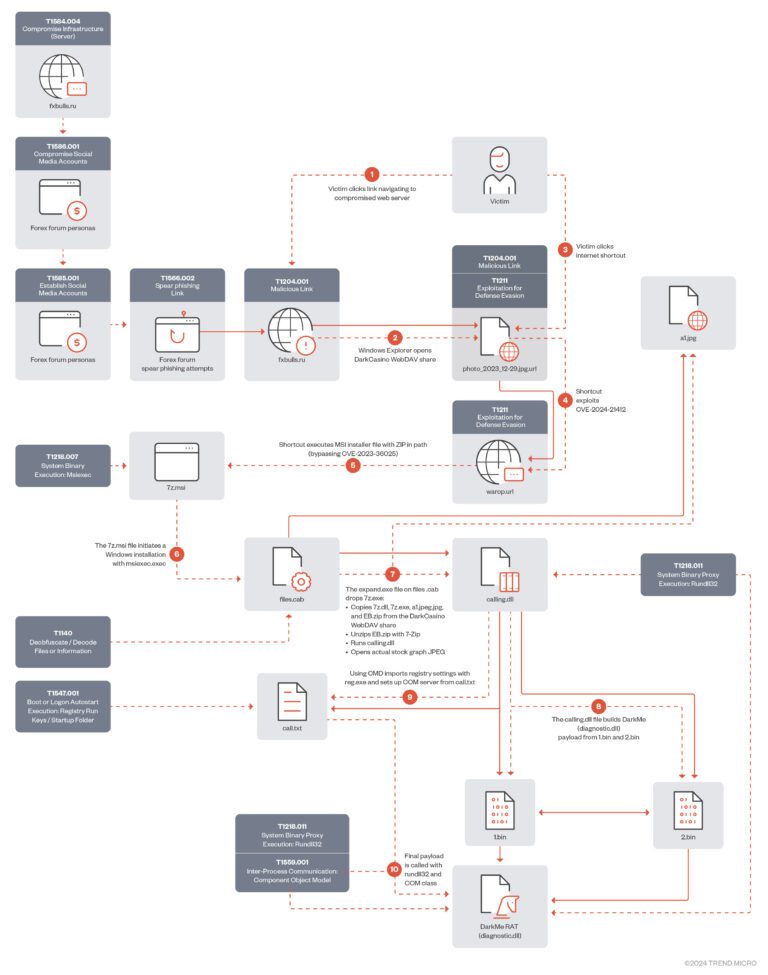
This flaw, exploited by Water Hydra, served as a linchpin in a complex 0-day attack chain, leading to a bypass of Defender SmartScreen

two of these were 'zero-days' (CVE-2024-21351 and CVE-2024-21412), meaning hackers have already been exploiting them in the wild!

CVE-2024-24691 (CVSS score 9.6) could allow hackers to escalate their privileges, potentially gaining control of vulnerable systems
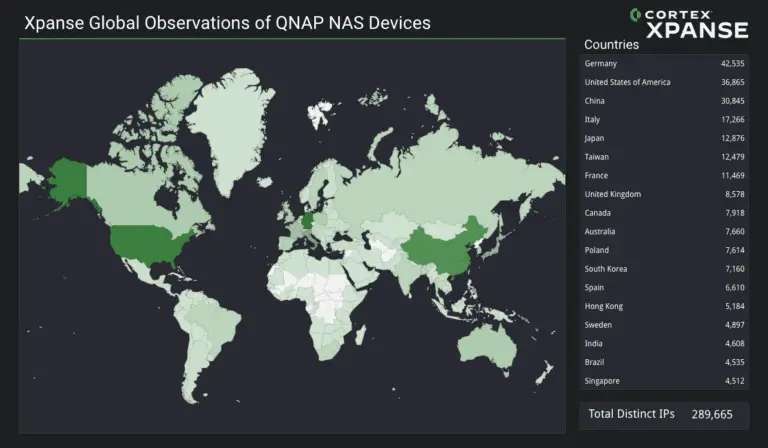
A severe zero-day vulnerability (CVE-2023-50358) has been discovered in QNAP Network Attached Storage (NAS) devices

The second "Hot News" patch targets a serious flaw (CVE-2024-22131, CVSS score 9.1) in the SAP Application Basis (ABA) layer

CVE-2024-25108 reveals that authorization checks within Pixelfed were insufficiently stringent, granting attackers unauthorized access

CISA has sounded the alarm on a significant 'actively exploited' flaw in Roundcube Webmail (CVE-2023-43770)

Two disclosed critical vulnerabilities (CVE-2024-25106 and CVE-2024-24830) expose users to a dangerous combination of unauthorized access

A recently discovered security bug in ExpressVPN's Windows software, tracked as CVE-2024-25728, has forced the popular VPN provider

This vulnerability, designated CVE-2024-0985 (CVSS 8.0), could allow attackers to execute malicious code with elevated privileges

Electron team has stepped forward to challenge these assertions, shedding light on the intricacies of the vulnerabilities