 Do Son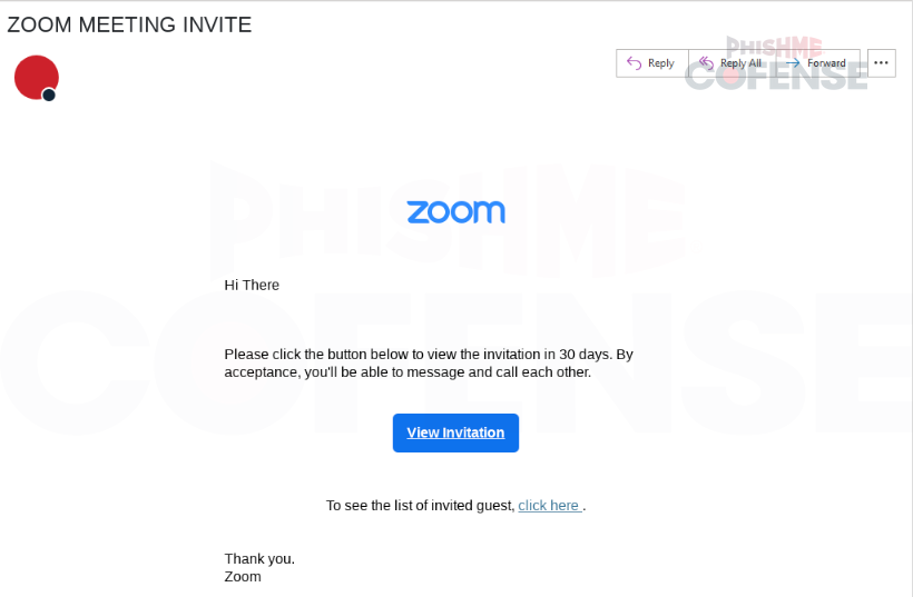
Malware delivery using email using Zoom Meeting branding | Image: PDC
In a sophisticated blend of social engineering and technical evasion, cybercriminals are increasingly hiding behind trusted corporate brands to deploy stealthy remote access tools. A new report from the Cofense Phishing Defense Center (PDC) details a rising threat where attackers impersonate digital signature giant DocuSign to trick users into downloading malicious payloads packaged inside legitimate software frameworks.
The attack typically begins with a phishing email that leverages the ubiquitous nature of electronic document signing.
“In recent threat campaigns, attackers have begun abusing the trust placed in DocuSign, a widely used electronic signature platform, to deliver JWrapper-packaged malware,” the Cofense PDC report states.
Users who believe they are downloading a necessary document viewer or signing client are instead served a disguised executable. “By embedding the SimpleHelp Remote Access client within a fake document viewer installer, attackers exploit user trust and deploy remote access tools under the radar,” researchers warn.
To bypass security filters and ensure cross-platform compatibility, the attackers utilize JWrapper, a Java-based installer framework. This tool is designed to bundle Java Virtual Machines (JVM) and application files into a single executable.
However, JWrapper is merely the delivery vehicle. The true threat lies within the payload it carries. “While JWrapper plays a role in delivery and installation, the core remote access functionality is provided by SimpleHelp itself, making it the primary focus from both detection and response standpoints,” the report explains.
Once installed, the malware grants the attacker deep, persistent access to the victim’s machine using SimpleHelp, a legitimate Remote Monitoring and Management (RMM) tool often used by IT departments.
Because SimpleHelp is a known, commercially available IT tool, its presence on a network might not immediately raise red flags. The report highlights this challenge: “SimpleHelp is often deployed by legitimate IT teams but has increasingly been co-opted by threat actors due to its stealth, persistence, and ease of deployment across platforms”.
Upon successful execution, the SimpleHelp client runs silently in the background, establishing communication with the attacker’s command and control (C2) servers.
The Cofense PDC notes that this campaign is a prime example of how adversaries are evolving. Rather than relying on brute force or zero-day exploits, they are attacking the human element using brands that professionals interact with daily, such as DocuSign and Adobe.
“The use of the JWrapper framework enables stealthy persistence, making detection more difficult for defenders,” the report concludes. Security teams are urged to monitor their networks closely for unauthorized SimpleHelp installations and to train employees on the dangers of downloading unexpected “document viewers” from email links.
Related Posts:
- Ransomware Attack: MSP’s RMM Tool Abused to Spread DragonForce
- Phishing Alert: Government Impersonation Attacks Surge via DocuSign
- Fake DocuSign Emails: Don’t Get Hooked by Phishing Scams
- Urgent CISA Alert: Ransomware Actors Exploiting SimpleHelp RMM Flaw (CVE-2024-57727)
Support Our Threat Intelligence
Find our threat intelligence and malware analysis helpful? Support our work today and unlock a 100% ad-free reading experience!
 Buy Me a Coffee
