Kubernetes Alert: Headlamp Flaw (CVE-2025-14269) Lets Unauthenticated Users Hijack Helm Clusters
 Do Son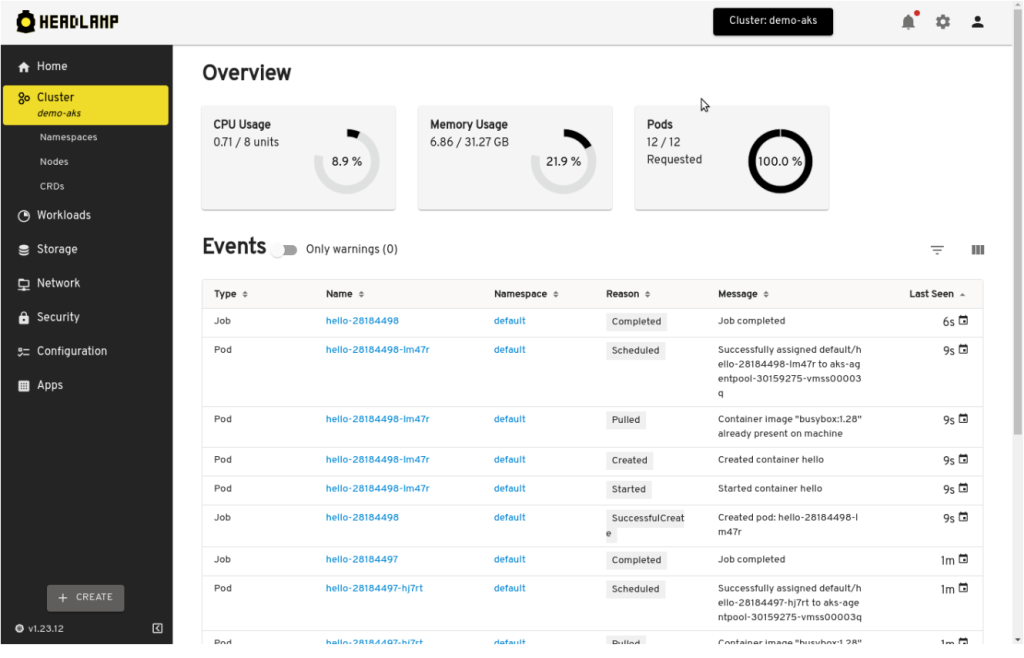
A high-severity vulnerability has been discovered in Headlamp, a popular extensible web UI for Kubernetes, potentially allowing unauthenticated attackers to hijack cluster operations. Tracked as CVE-2025-14269, the flaw carries a CVSS score of 8.8, signaling a critical risk for organizations using the tool to manage their container orchestration environments.
The vulnerability centers on how the application handles credentials when interfacing with Helm, the package manager for Kubernetes.
Headlamp is designed to be user-friendly, blending traditional dashboard features with extended functionality. However, a lapse in session management has turned that convenience into a security liability.
The issue affects the in-cluster version of Headlamp. According to the disclosure, “unauthenticated users may be able to reuse cached credentials to access Helm functionality through the Headlamp UI”.
This means that if a legitimate, authorized administrator accesses Helm features within Headlamp, their credentials may be cached insecurely. A subsequent unauthenticated user—potentially an attacker with network access to the dashboard—could piggyback on those cached credentials to perform Helm operations without ever logging in.
The vulnerability is not universal; it requires a specific “perfect storm” of configurations:
- Headlamp is installed in-cluster (Desktop versions are unaffected).
- The configuration setting config.enableHelm is set to true.
- An authorized user has previously accessed Helm functionality, priming the cache.
If these conditions are met, any unauthenticated user with access to the Headlamp interface could potentially deploy, modify, or delete Helm releases, effectively compromising the integrity of the cluster applications.
The vulnerability affects Headlamp versions v0.38.0 and earlier.
The maintainers have released a patch in Headlamp v0.39.0, which resolves the credential caching issue. Administrators are urged to upgrade immediately.
For those who cannot upgrade right away, a mitigation strategy is available: “ensure Headlamp is not publicly exposed with an ingress server to limit exposure”. By restricting network access to the dashboard, the attack surface is significantly reduced.
Security teams can detect potential exploitation attempts by reviewing logs for “unexpected access to clusters/main/helm/releases/list and other Helm related endpoints”.
Related Posts:
- CVE-2024-52284: SUSE Fleet Vulnerability Exposes Sensitive Helm Values in Plain Text
- Bitnami Helm Chart Flaw (CVSS 10.0) Exposes Kubernetes Secrets: Publicly Accessible & Exploitable Remotely
- Helm Flaw (CVE-2025-53547): Local Code Execution via Malicious Chart.yaml & Symlinks
- Malicious Go Package Exploits Caching for Stealthy Persistence
Support Our Threat Intelligence
Find our vulnerability reports and weekly recaps helpful? Support our work today and unlock a 100% ad-free reading experience!
 Buy Me a Coffee
