 Do Son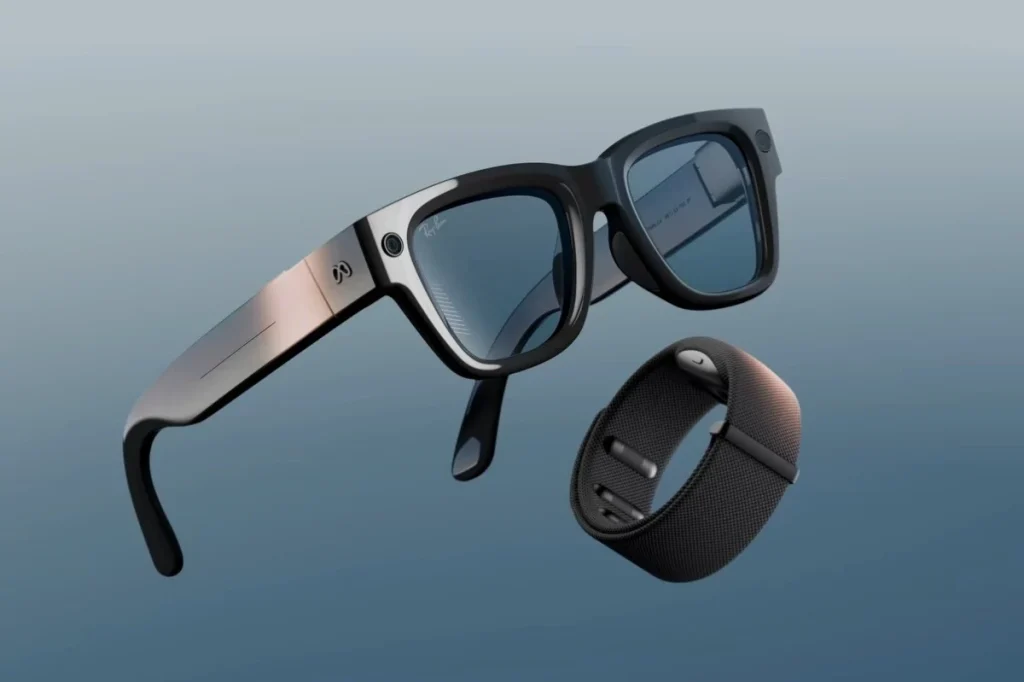
The permafrost enveloping the Metaverse remains unthawed; or perhaps, more accurately, Meta has finally resolved to recalibrate the exorbitant cost of its digital ambitions. According to reports from Bloomberg, and consistent with market prognostications, Meta has commenced a workforce reduction within its Reality Labs division—the vanguard of its virtual reality and metaverse endeavors—affecting over 1,000 personnel. An internal memorandum from Chief Technology Officer Andrew Bosworth reveals a definitive strategic pivot: the department’s future trajectory will gravitate toward the development of AI-integrated wearables, such as the Ray-Ban Meta smart glasses.
This retrenchment is hardly unforeseen. Since Mark Zuckerberg’s high-stakes rebranding in 2021, Reality Labs has hemorrhaged upwards of $70 billion. While the Quest headset lineage has garnered critical acclaim within the consumer sphere, its profitability remains woefully insufficient to bridge the abyssal gap created by monumental research and operational expenditures.
Confronted by mounting investor scrutiny and the meteoric rise of generative AI, Meta has been compelled to confront a stark reality. The once-grandiose vision of the Metaverse, stymied by the absence of a “killer app” and lackluster hardware adoption, must undergo a rigorous streamlining. Reports indicate that Meta’s metaverse strategy will henceforth consolidate around “mobile devices”—a term encompassing not merely smartphone applications, but lightweight wearables designed for seamless integration with mobile ecosystems.
In his memorandum, Bosworth asserted, “Given the substantially larger potential user base and accelerated growth rates, we are reallocating nearly all team resources to the mobile dimension to catalyze widespread adoption.” This implies that the Ray-Ban Meta smart glasses—harmonizing cameras, audio, and AI assistants—have supplanted cumbersome VR headsets as the company’s centerpiece due to their portability and pragmatic utility. Regarding the VR hardware business, while Meta eschews total abandonment, Bosworth indicated the unit will operate as a “leaner, flatter organization,” pursuing a focused product roadmap to ensure long-term sustainability.
This declaration suggests a deceleration in the development cycle of high-end VR hardware, potentially tempering expectations for a swift successor to the Quest 3 or an updated Pro iteration. In previous years, Meta endeavored to construct a virtual world for total immersion; however, the proliferation of generative AI has demonstrated a more pressing consumer demand for AI assistants that augment physical reality. The unanticipated success of the Ray-Ban Meta smart glasses provides an elegant strategic retreat for Zuckerberg: rather than compelling users to inhabit a virtual realm through VR headsets, Meta will overlay AI and information onto the tangible world via inconspicuous eyewear.
Ultimately, the Metaverse has not perished; rather, its gateway has evolved from VR goggles to “AI wearables.” For Meta, this represents a profoundly pragmatic resolution—monetizing AI is far more expeditious than selling virtual real estate, and mitigating the losses of Reality Labs is the most direct tribute to shareholder value.
Related Posts:
Support Our Threat Intelligence
Find our tech and OS security coverage helpful? Support our work today and unlock a 100% ad-free reading experience!
 Buy Me a Coffee
