
 Do Son
CVE-2023-34060 and assigned a CVSS score of 9.8, allows malicious actors with network access to bypass login restrictions
Vulnerability

CVE-2023-36844, CVE-2023-36845, CVE-2023-36846, and CVE-2023-36847, these vulnerabilities were identified in the Juniper J-Web interface

If an attacker can exploit CVE-2023-6063, they could gain access to the WordPress database and extract sensitive information

CVE-2023-39335, assigned a CVSS score of 8.5, presents a scenario where an authenticated user can enroll another device under

CVE-2023-5869, is a buffer overrun vulnerability that could allow attackers to execute arbitrary code on the PostgreSQL server

The first of the two vulnerabilities patched in this release, identified as CVE-2023-47359, carries a high CVSS score of 9.8

Intel subsequently released an updated microcode to address the "Downfall" vulnerability, but it may result in significant performance degradation

According to Huntress, the attacks focus on the ScreenConnect remote access systems, widely used in the healthcare sector.

CVE-2023-46850, is a more severe use-after-free memory security issue that could allow attackers to leak sensitive information

Cybersecurity experts from Aon's Stroz Friedberg division have discovered a new threat called Effluence, which is a backdoor

A vulnerability in Microsoft Access that allows cybercriminals to exploit the "linking to remote SQL Server tables" feature

Shortly thereafter, Trend Micro researchers observed Cerber ransomware exploiting the vulnerability to deploy its payload.

Team Huntress has been able to create an exploit that chains the CVE-2023-47246 flaw to execute code remotely

The vulnerability, which has been assigned the CVE identifier CVE-2023-43791 and a CVSS score of 9.8, is a hardcoded Django secret key

CVE-2023-47248 in PyArrow, the Python bindings for Apache Arrow, could allow attackers to execute arbitrary code on vulnerable systems
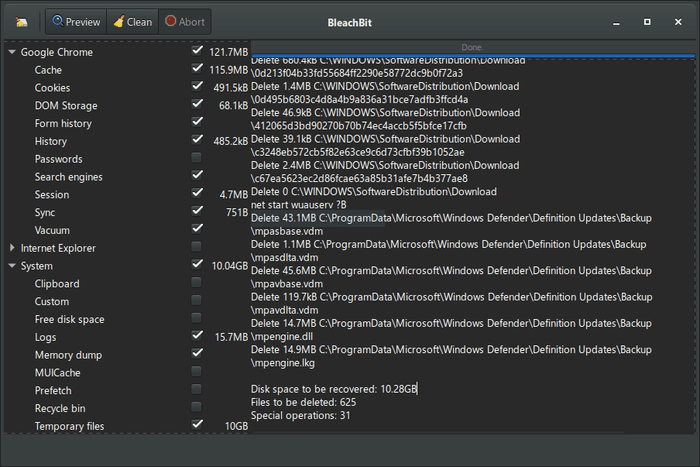
This vulnerability, known as CVE-2023-47113, exposes users to the risk of DLL Search Order Hijacking attacks.

The zero-day flaw, CVE-2023-47246, resides in SysAid on-premises software, allowing hackers to execute arbitrary code on vulnerable systems

CVE-2023-29552 has already been added to the KEV catalog by CISA highlighting the active exploitation of this vulnerability by threat actors.

CVE-2023-39913 arises from the deserialization of untrusted data, specifically Java-serialized CAS objects, without proper input validation

CVE-2023-42659 and carrying a CVSS score of 9.1, allows authenticated Ad Hoc Transfer users to upload files to arbitrary locations

CISA warned network administrators to immediately patch their Atlassian Confluence Data Center and Server installations against a critical severity flaw

Kinsing have escalated their exploitation of a vulnerability discovered, referred to as Looney Tunables, to orchestrate incursions into cloud environments