
 Do Son
High-severity flaw in Ghostscript tagged as CVE-2023-36664 could allow an attacker to take over a routine and even execute commands on systems
Vulnerability
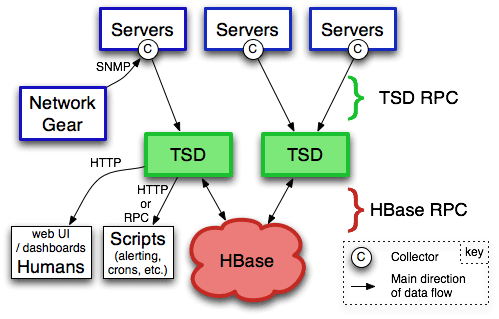
This vulnerability assigned the identifier CVE-2023-36812 and a severe Common Vulnerability Scoring System (CVSS) score of 9.8

CVE-2023-36475 vulnerability, carrying a daunting CVSS score of 9.8, lies in the heart of the MongoDB BSON parser that Parse Server employ

CVE-2023-3460 - a privilege escalation vulnerability with a Common Vulnerability Scoring System (CVSS) score of a worrisome 9.8.
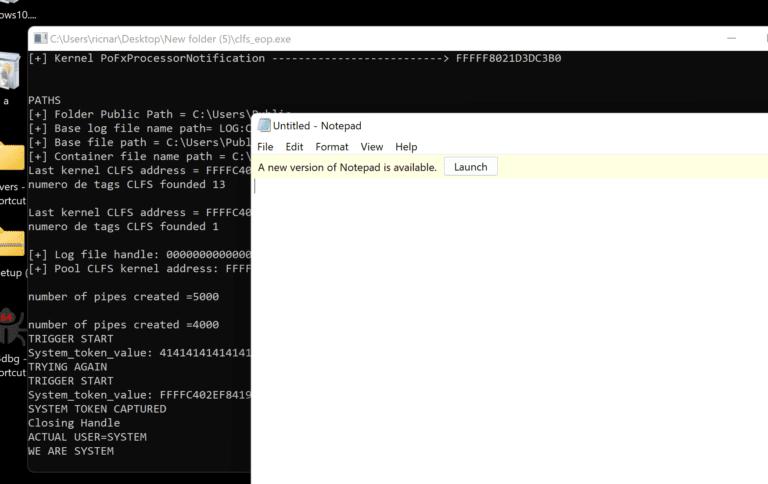
Researchers have released technical details and a PoC exploit code for the CVE-2023-28252 vulnerability that escalates to SYSTEM privilege

Netgear has recently addressed a high-severity vulnerability that had been lurking in its RAX30 WiFi router model

Automattic has recently alerted its user base to a critical security vulnerability in the Jetpack WordPress Plugin — CVE-2023-2996

Fortinet revealed that the Condi botnet had infected a significant number of AX21/AX1800 routers, offering DDoS services

CVE-2023-33299, a critical vulnerability in FortiNAC with a high Common Vulnerability Scoring System (CVSS) score of 9.6.

The security vulnerability in Grafana, designated as CVE-2023-3128 and rated a highly critical 9.4 on the CVSS scale

CISA recently added six new vulnerabilities to its Known Exploited Vulnerabilities (KEV) catalog, alerting security practitioners nationwide.

Two of these vulnerabilities, pertaining to the Kernel and WebKit, were tracked under the codes CVE-2023-32434 and CVE-2023-32435

Though the CVE-2023-34981 vulnerability is significant, the good news is the Apache Software Foundation has acted swiftly

A critical security flaw (CVE-2023-34340) has recently been identified in Apache Accumulo 2.1.0, warranting immediate attention.

CVE-2023-27992 high-risk flaw, with an alarming CVSS score of 9.8, warrants immediate attention from users and administrators worldwide
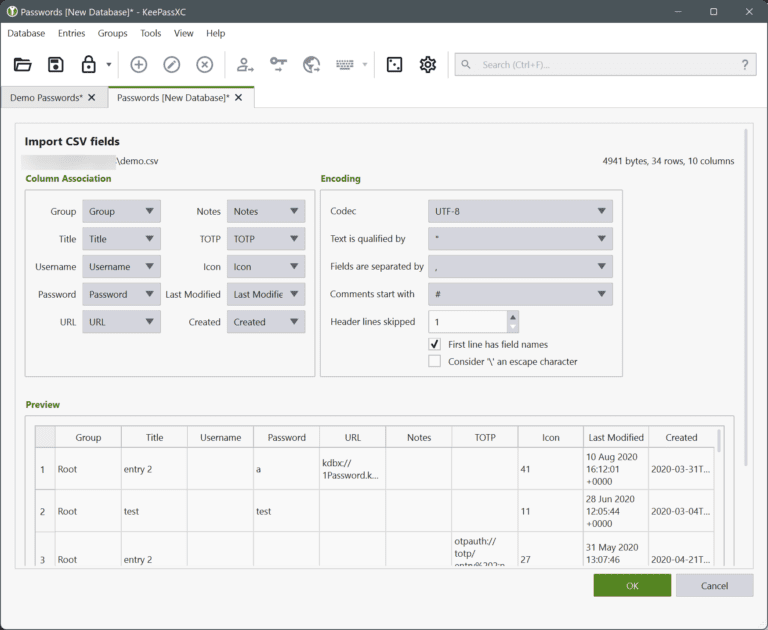
The core of CVE-2023-35866 lies in disturbing ease of access. A local attacker, within an authenticated KeePassXC Database session
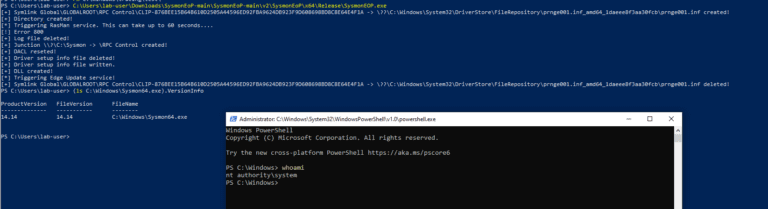
PoC exploit for the Microsoft Windows SysInternals Sysmon privilege escalation flaw, traced as CVE-2023-29343 has been publicly released

CVE-2023-34251 is an SSTI vulnerability that allows Remote Code Execution by embedding malicious PHP code on the administrator screen.

The flaw, identified as CVE-2023-2847, is a local privilege escalation bug with a CVSS v3.1 score of 7.8, underlining its high-risk potential

CVE-2023-35708 can act as gateways to escalated privileges, enabling potential unauthorized access to the user environment.

CVE-2023-35141, which has been assigned a high-risk Common Vulnerability Scoring System (CVSS) score of 8.0

CVE-2023-34120 could provide an authenticated user the capability to enable escalation of privilege through local access