The Billion-Dollar Invite: How UNC1069’s Fake Meetings Hijack Crypto Fortunes
 Do Son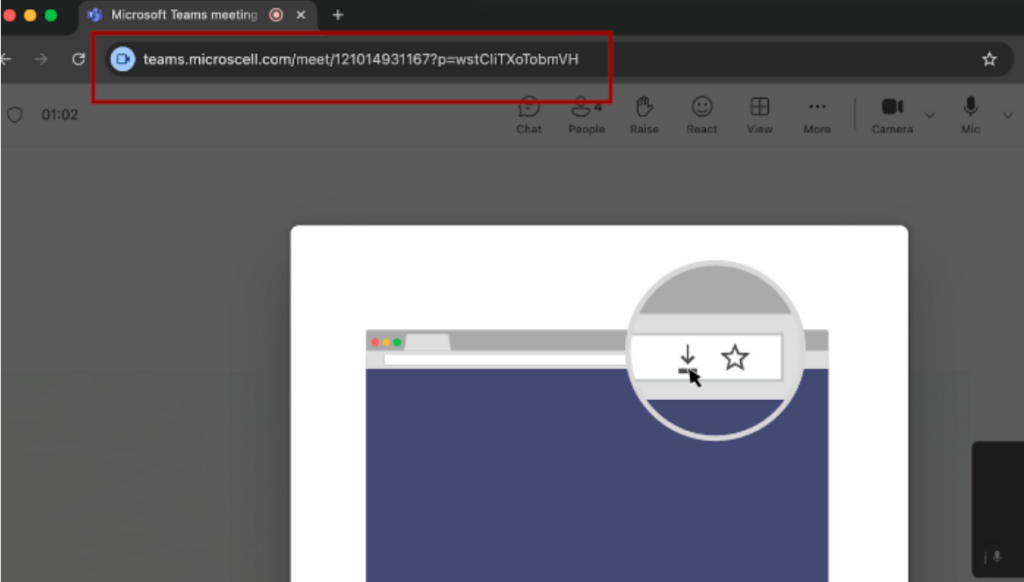
The line between a routine business meeting and a financial breach has never been thinner. Between February 6th and April 7th, 2026, the Security Alliance (SEAL) documented and blocked 164 domains tied to a sophisticated North Korean threat actor group. The group, designated as UNC1069 (also known as BlueNoroff), has launched a specialized campaign targeting the heart of the cryptocurrency and Web3 sectors.
Unlike the aggressive, high-pressure tactics often seen in phishing, this operation relies on a slow-burn strategy. According to the report, “UNC1069 operates multi-week, low-pressure social engineering campaigns across Telegram, LinkedIn, and Slack”.
The campaign begins with rapport-building. Attackers impersonate known contacts, credible brands, or use previously compromised accounts to reach out to potential victims. After weeks of interaction, they deliver the killing blow: a link to a fraudulent Zoom or Microsoft Teams meeting.
The trap is meticulously designed. “The fake meeting UI is browser-based,” serving as a sleek facade for the delivery of malicious payloads. Once the victim interacts with the interface, the malware begins its silent takeover.
UNC1069 utilizes a modular post-exploitation framework, allowing them to tailor their theft to the specific value of the victim. While macOS is the primary target due to its prevalence in the Web3 sector, variants supporting Windows and Linux have also been documented.
The arsenal of modules includes:
- Full Credential Stealers: Targeting browser-stored passwords, seed phrases, and API keys.
- Session Token Harvesters: Specifically targeting Telegram to enable account takeover and spread the infection further.
- Browser Extension Replacement: A particularly stealthy technique that involves “silently swapping legitimate extensions on disk with malicious equivalents”.
- Infrastructure Theft: Exfiltration of SSH keys and AWS credentials to pivot into cloud environments.
After the initial infection, the actors do not immediately start draining wallets. The report notes: “Operators deliberately do not act immediately following initial access. The implant is left dormant or passive for a period following compromise”.
By allowing the target to reschedule the “failed” call and continue normal operations, the attackers maximize their operational window. This patience ensures they can extract the highest possible value before any security alerts are triggered.
With 164 domains already identified and blocked, the scale of this operation is vast. Security teams and crypto professionals should take immediate steps to harden their defenses:
- Verify Meeting Links: Always verify the source of meeting links, even from “trusted” contacts, especially if they are hosted on unusual domains.
- Monitor Browser Extensions: Regularly audit installed extensions and watch for unauthorized modifications to local application folders.
- Harden Session Tokens: Use hardware security keys and monitor for unusual Telegram sessions or secondary logins.
In the high-stakes world of Web3, a single “low-pressure” conversation can lead to a total loss of assets. Stay vigilant, stay updated, and never trust a meeting link at face value.
Support Our Threat Intelligence
Find our threat intelligence and malware analysis helpful? Support our work today and unlock a 100% ad-free reading experience!
 Buy Me a Coffee
