 Ddos
Ddos 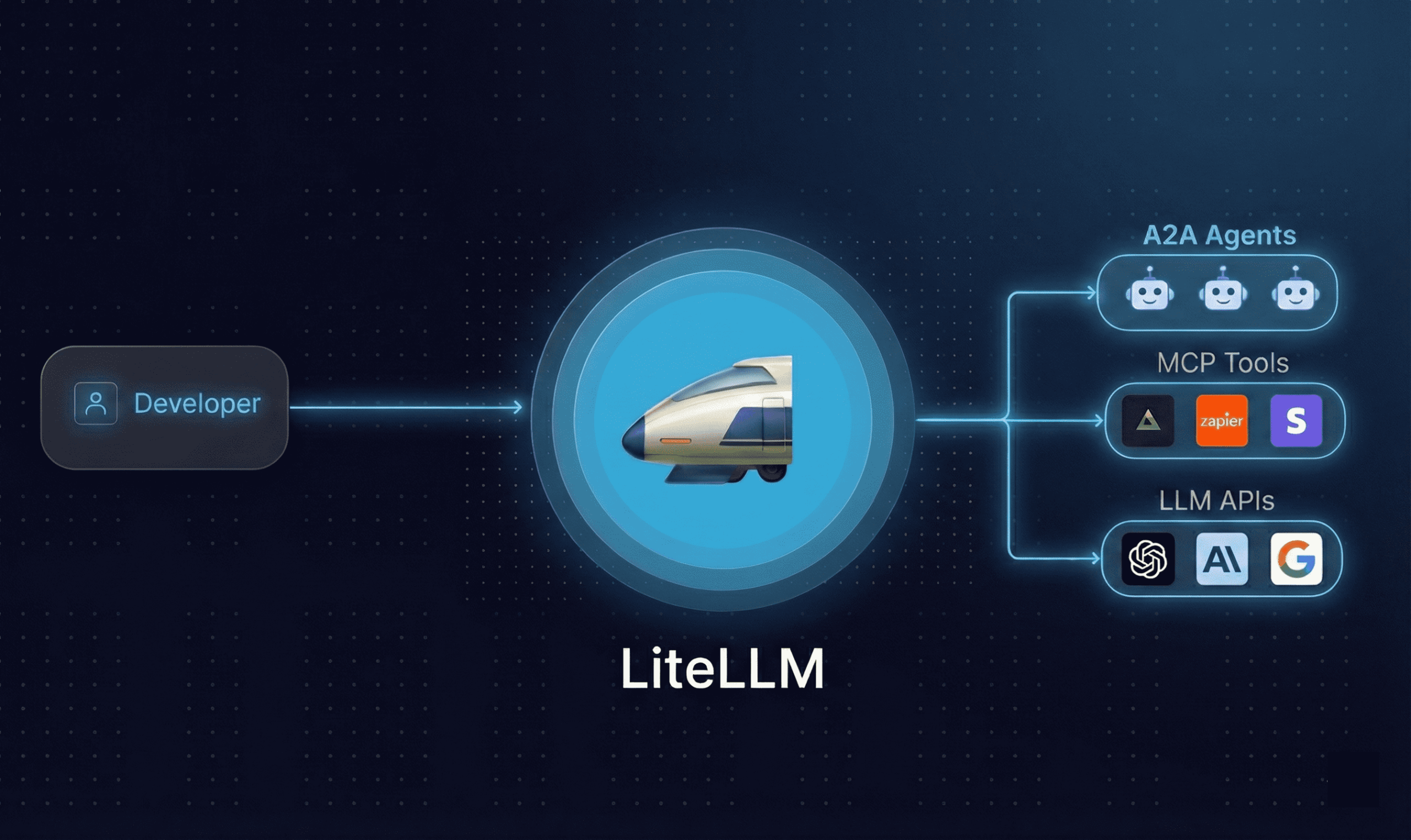
Security researchers have sounded the alarm on a critical vulnerability in LiteLLM, a massively popular open-source gateway with over 22,000 GitHub stars used to manage connections to models like OpenAI and Anthropic.
Tracked as CVE-2026-42208, this pre-authentication SQL injection flaw is not just a theoretical risk—it is already being actively exploited in the wild.
LiteLLM serves as the traffic cop for AI requests, but a critical oversight in how it handles authentication headers has left it wide open. The vulnerability lies within the Authorization: Bearer header. Because the software fails to sanitize or parameterize the input in this field, an attacker does not need valid credentials to strike.
By simply sending a crafted web request, any remote attacker can issue arbitrary SELECT statements directly to the underlying PostgreSQL database. In short, the system implicitly trusts the input, handing over the keys to the kingdom before ever asking the user to prove who they are.
The vulnerability advisory hit the global GitHub Advisory Database on April 24, 2026. Just 36 hours and seven minutes later, the Sysdig Threat Research Team (TRT) captured the first live exploitation attempts.
As the Sysdig TRT report details, “The traffic the Sysdig TRT captured was not a generic SQLmap spray, which is very common in SQL injection attacks, but a deliberate, and likely customized, enumeration of the production LiteLLM schema…”
The attackers came prepared. Knowing the specific database structure of LiteLLM, they surgically targeted the three most valuable tables: virtual API keys, stored provider credentials, and the proxy’s environment-variable configuration.
If your organization relies on LiteLLM, immediate action is required. AI gateways consolidate an immense amount of credential value, meaning direct internet exposure is no longer a defensible default.
Here is what security and system administration teams must do immediately:
- Patch Now: Update your LiteLLM instances to version v1.83.7 or later.
- Rotate Everything: If your vulnerable instance was reachable from the internet, you must assume it has been compromised. Rotate every virtual API key, master key, and provider credential immediately.
- Implement Reverse Proxies: If you cannot patch right away, place the gateway behind a reverse proxy configured to block any Authorization headers containing single quotes, parentheses, or SQL keywords like UNION and SELECT.
- Audit Your Logs: Check your webserver logs. Even a single malformed Bearer token request prior to patching is a high-confidence indicator of attempted exploitation. Furthermore, monitor your upstream AI provider billing for unusual traffic originating from unfamiliar IPs.
- Inventory and Isolate: Application teams frequently stand up tools like LiteLLM outside of standard security reviews. Track down these deployments and restrict their access to internal networks or ensure mutually authenticated reverse proxies are in place.
Support Our Threat Intelligence
If you find our CVE report and cybersecurity news helpful, consider supporting our work.
 Buy Me a Coffee
PayPal
Buy Me a Coffee
PayPal
