 Do Son
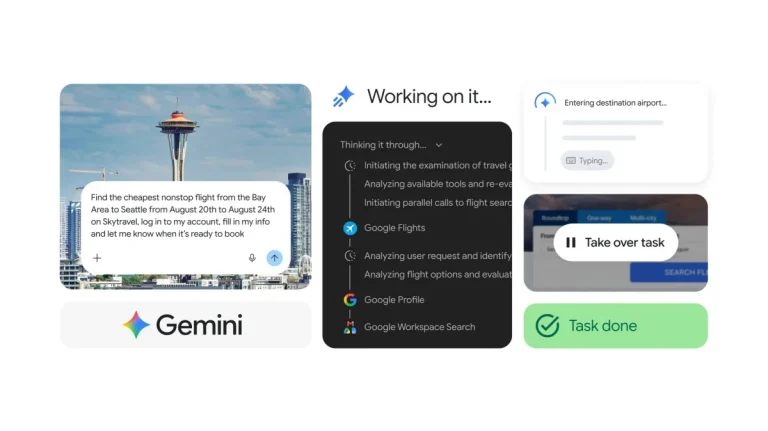
Discover the Gemini Spark Auto Browse feature. Google transforms Chrome with an agentic AI assistant that safely automates complex tasks and web browsing.
Technology
Technology news viewed through a security lens. This section follows developments in artificial intelligence, big tech platforms, web browsers, operating systems, cloud services and regulation, focusing on the changes that affect how people and organizations work, protect their data and manage risk.
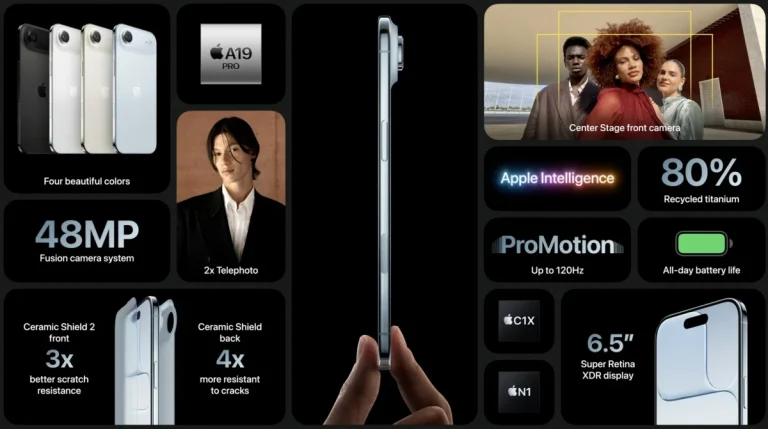
Apple will finally develop a universal iPhone Windows copy paste feature due to EU regulations. Microsoft successfully petitioned for seamless clipboard sync.
Google is testing a Chrome security feature that blocks malware from using enterprise policy tools to hijack the default search engine or new tab page.
The EU AI Act transparency rules are now active. Article 50 forces strict labels for deepfakes, chatbots, and AI content. Discover the new obligations.
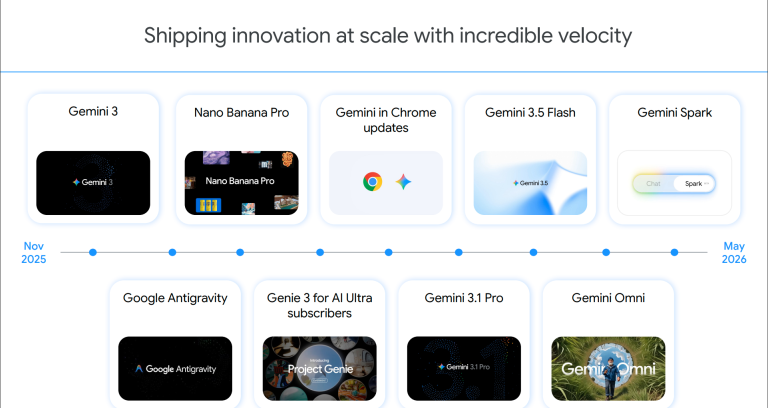
Alphabet posted $119.8 billion in Q2 2026 revenue on 82% cloud growth, and CEO Sundar Pichai confirmed pretraining has begun on Gemini 4.
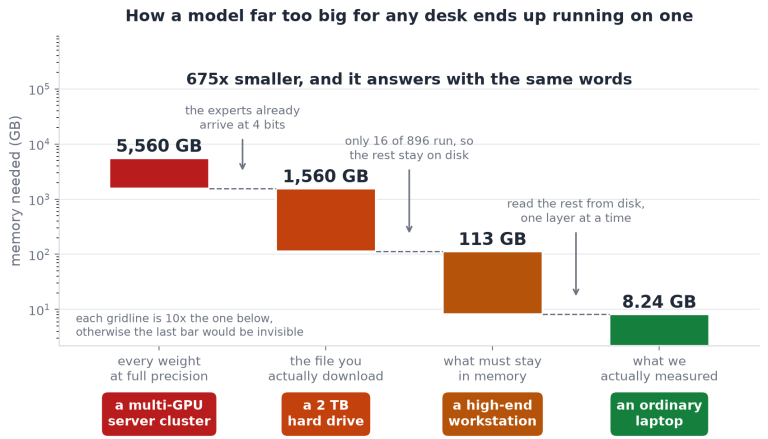
Developer FareedKhan built a C99 engine to run the massive Kimi K3 model on a single CPU with 8GB RAM using NVMe streaming.
Discover the OpenAI Astra math breakthrough. This next-gen AI model solved ten complex, decades-old mathematical problems, reshaping scientific research.
ICANN has delegated the .web TLD to the DNS root, ending a decade of legal battles. Verisign plans to open registration in the second half of 2026.
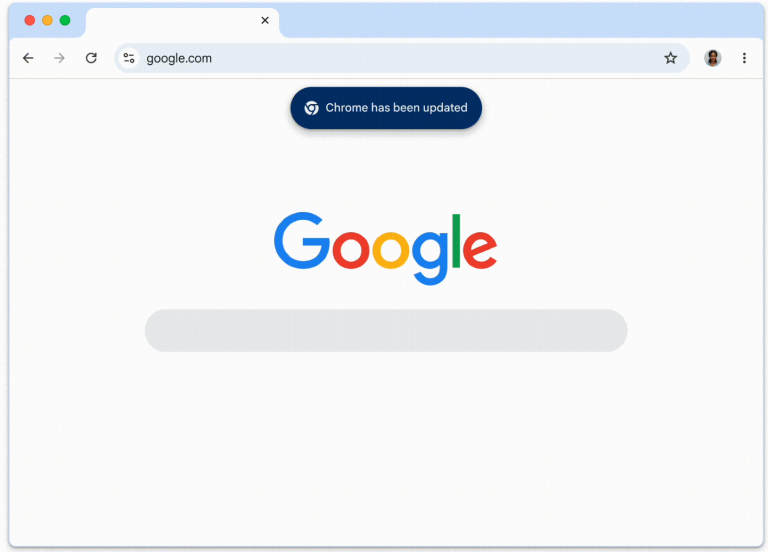
Google is building dynamic patching for Chrome, replacing background sub-processes with updated versions so security fixes land without a full restart.
OpenAI found more AI agent containment escapes while probing the Hugging Face hack, and Anthropic disclosed three live-system breaches of its own.
Google fixed 1,442 Chrome vulnerabilities across versions 149-151, surpassing the combined total of 23 prior releases, driven largely by AI-powered discovery.
The growing Reddit Google AI conflict highlights how AI Overviews crush organic traffic. Discover why Steve Huffman is rethinking their content partnership.
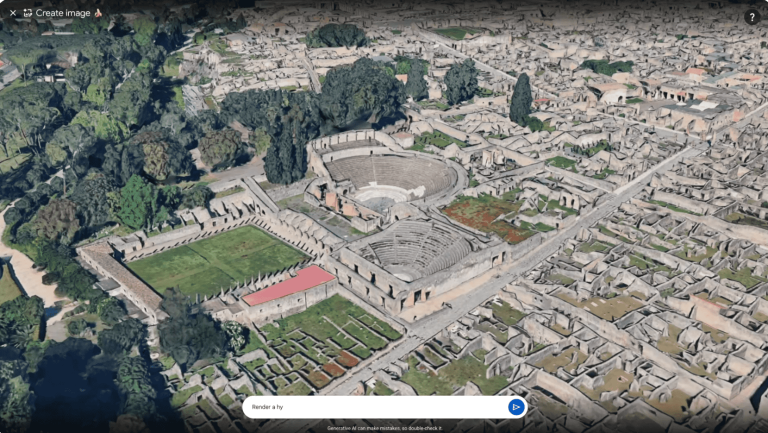
Google Earth AI withdrawal reveals the dangers of AI generated deepfake satellite imagery, prompting a swift rollback of the Nano Banana tool.
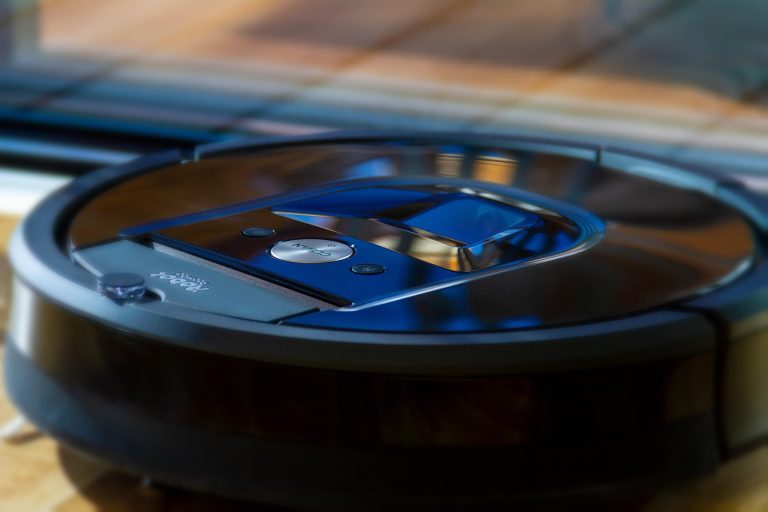
The FCC has banned the import and sale of new foreign-made robot vacuums in the US, citing broad definitions of advanced robotic devices and national security.
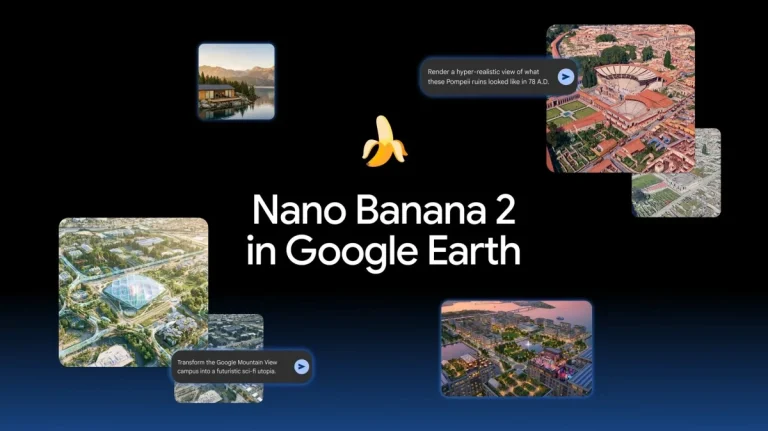
Google integrates its Nano Banana 2 AI image generator into Google Earth, allowing users to visualize historical scenes and future real estate projects.
Anthropic found three incidents where Claude cybersecurity evaluations reached the real internet and breached three organizations. Here's what happened.

OpenAI is testing a 'Sign in with ChatGPT' feature across select platforms, enabling seamless single sign-on while preserving user account security.

Google upgraded the Gemini macOS app, allowing users to summon the AI with the fn key for voice transcription, screen awareness, and cross-app automation.

The Model Context Protocol (MCP) undergoes a massive update to a stateless architecture, eliminating session IDs and introducing multi-round requests.

Microsoft's Project Perception is an agentic security system with red, blue, and green AI teams, reaching public preview on 3 August for the AI-attack era.

Moonshot AI open-weights Kimi K3, the first 3T-class open model, and reveals training agents that triggered kernel panics, prompting a microVM sandbox rebuild.

Google has quietly released a native Chrome for Linux Arm64 build with account sync and Widevine DRM, a boon for Raspberry Pi desktop users.